National Parks in Tanzania and Game Reserves
Explore the best National Parks in Tanzania and top game reserves, including Serengeti, Ngorongoro, Tarangire, Ruaha, updated TANAPA safari information, wildlife experiences, Great Migration travel tips, and the best time to visit Tanzania.
National Parks in Tanzania and Game Reserves: The Complete Safari Guide
Tanzania is Africa’s most complete wildlife destination because it combines the Great Migration, Big Five safaris, mountain trekking, chimpanzee forests, marine parks, and remote wilderness ecosystems into one safari network.
The Tanzania National Parks Authority (TANAPA) currently manages 21 national parks covering over 99,000 square kilometers of protected land across the country. Tanzania’s conservation system includes national parks, game reserves, marine parks, wildlife management areas, and the globally famous Ngorongoro Conservation Area.
Official TANAPA information confirms that conservation and eco-tourism remain central to Tanzania’s wildlife strategy.
Unlike most safari blogs that only focus on Serengeti National Park, this guide covers Tanzania’s broader safari ecosystem, including remote southern parks, chimpanzee destinations, game reserves, and marine conservation zones.
Why Tanzania Is Africa’s Best Safari Destination
Tanzania dominates African safari tourism because of its ecosystem diversity and wildlife density.
The country offers:
- The Great Wildebeest Migration
- Big Five safaris
- Chimpanzee trekking
- Mountain climbing
- Marine tourism
- Luxury safaris
- Walking safaris
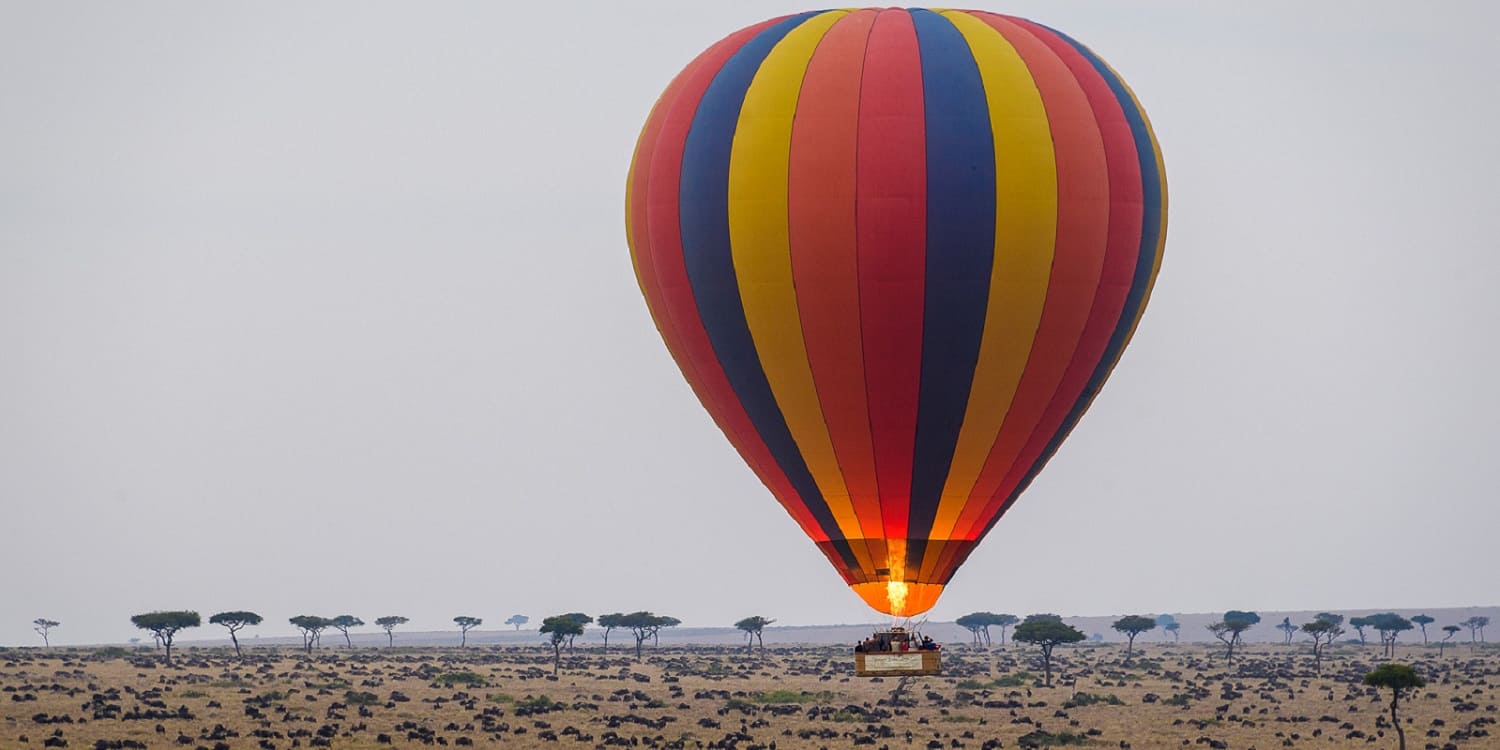
- Balloon safaris
- Remote wilderness travel
- Conservation tourism
TANAPA officially highlights experiences such as wilderness walks, chimpanzee trekking, canoeing, balloon safaris, mountain climbing, horseback riding, and night game drives across its park network.
Modern Tanzania safari tourism is evolving rapidly, especially around:
- luxury conservation travel
- remote safari circuits
- experiential wildlife tourism
- photography safaris
- low-density wilderness tourism
Complete List of the Best National Parks in Tanzania
| National Park | Best Known For | Key Wildlife | Best Time to Visit | Safari Style |
|---|---|---|---|---|
| Serengeti National Park | Great Migration | Wildebeest, lions | June–October | Luxury & migration safaris |
| Ngorongoro Conservation Area | Big Five crater safari | Rhinos, lions | Year-round | Scenic safaris |
| Tarangire National Park | Elephant herds | Elephants, baobabs | June–October | Wildlife photography |
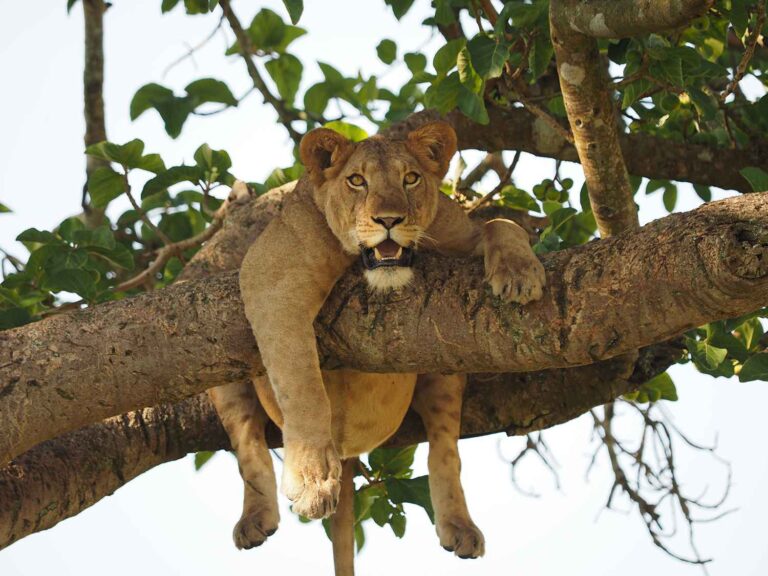
| Lake Manyara National Park | Tree-climbing lions | Flamingos, lions | Year-round | Short northern safaris |
| Ruaha National Park | Predator populations | Lions, wild dogs | June–October | Remote safaris |
| Nyerere National Park | Africa’s largest national park | Hippos, crocodiles | June–October | Boat safaris |
| Katavi National Park | Untouched wilderness | Buffalo, hippos | Dry season | Extreme remote safaris |
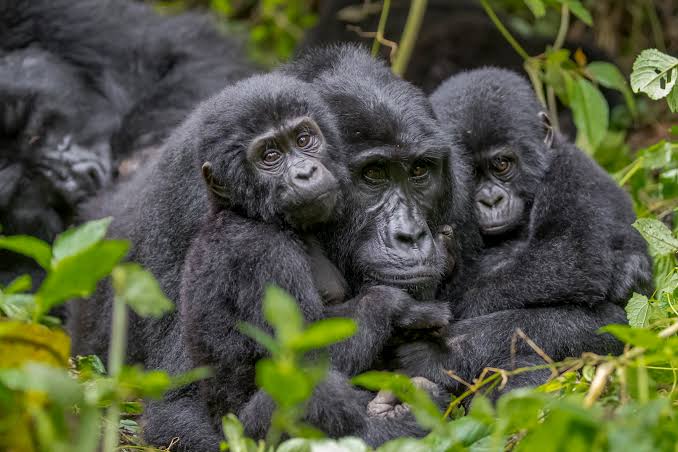
| Mahale Mountains National Park | Chimpanzees | Chimpanzees | June–October | Luxury primate safaris |
| Gombe Stream National Park | Jane Goodall’s chimp research | Chimpanzees | Dry season | Research tourism |
| Kilimanjaro National Park | Africa’s highest mountain | Alpine wildlife | January–March | Trekking expeditions |
| Arusha National Park | Walking safaris | Giraffes, zebras | Year-round | Day safaris |
| Mikumi National Park | Accessible wildlife | Lions, elephants | Dry season | Budget safaris |
Pro-Insight
TANAPA confirms Tanzania’s national park network expanded from the Serengeti alone in 1959 to 21 protected parks today.
Serengeti National Park: Tanzania’s Greatest Safari Destination
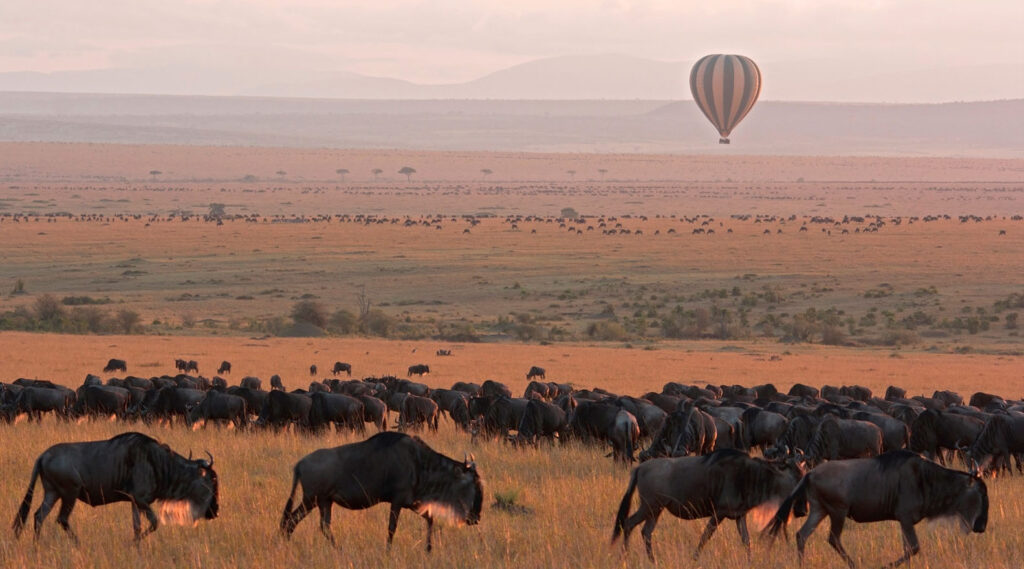
Serengeti National Park remains the most iconic safari ecosystem in Africa.
The park is globally famous for:
- The Great Wildebeest Migration
- Big cat sightings
- Endless savannah plains
- Luxury safari lodges
- Balloon safaris
- Predator interactions
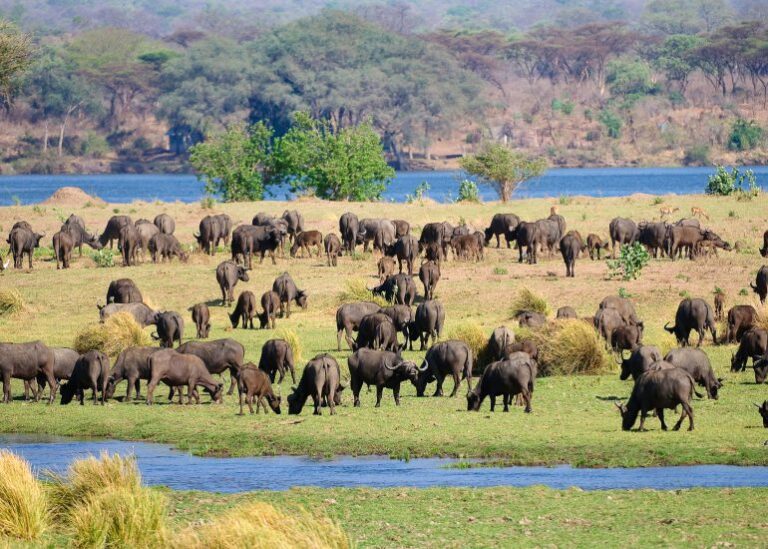
The Serengeti ecosystem supports millions of migrating wildebeest, zebras, and gazelles moving across northern Tanzania and Kenya’s Maasai Mara.
Why Serengeti Dominates?
- migration river crossings
- mobile camps
- conservation tourism
- predator migration patterns
- Serengeti ecosystem biodiversity
Ngorongoro Conservation Area: Africa’s Wildlife Eden
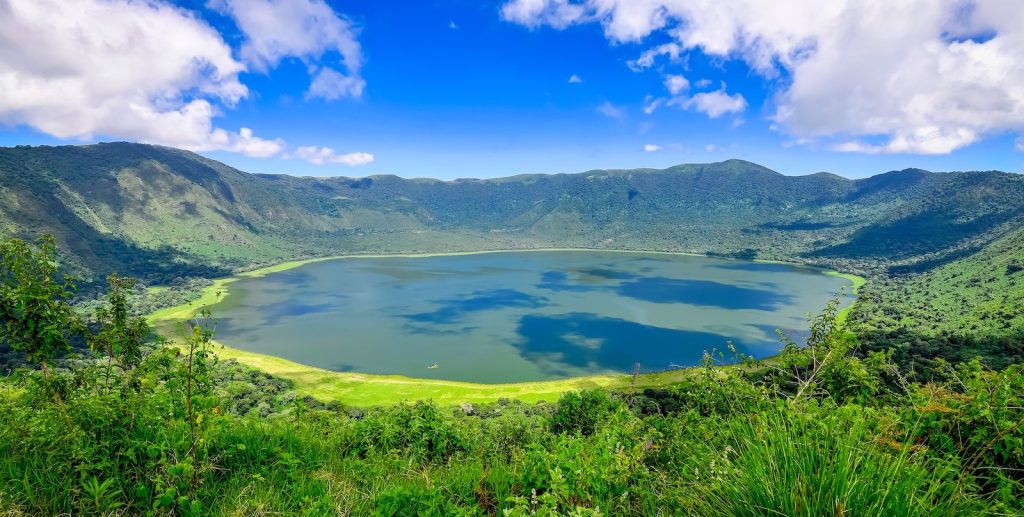
Ngorongoro Conservation Area is one of Africa’s most unique safari destinations because it combines wildlife conservation, Maasai culture, and geological history inside the world’s largest intact volcanic caldera.
The crater supports:
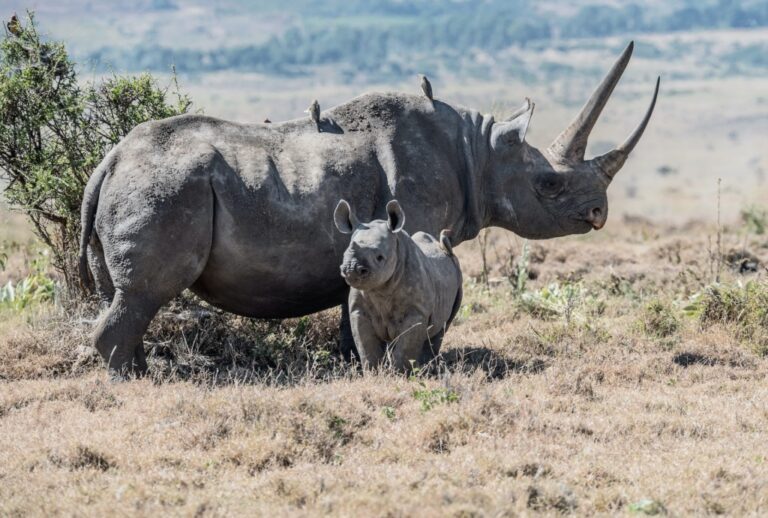
- Black rhinos
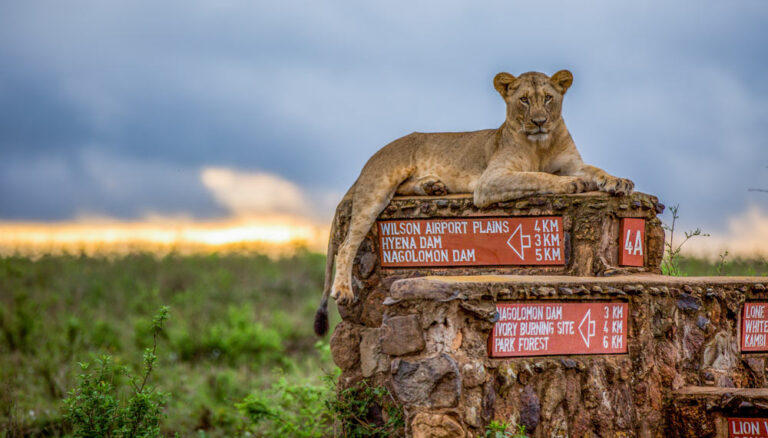
- Lions
- Elephants
- Flamingos
- Hyenas
- Dense predator populations
Unlike traditional national parks, Ngorongoro operates under a separate conservation authority from TANAPA.
Why Ngorongoro?
Ngorongoro naturally connects with:
- UNESCO World Heritage
- geological tourism
- cultural tourism
- crater safari experiences
- luxury safari travels
Tarangire National Park: Tanzania’s Elephant Kingdom
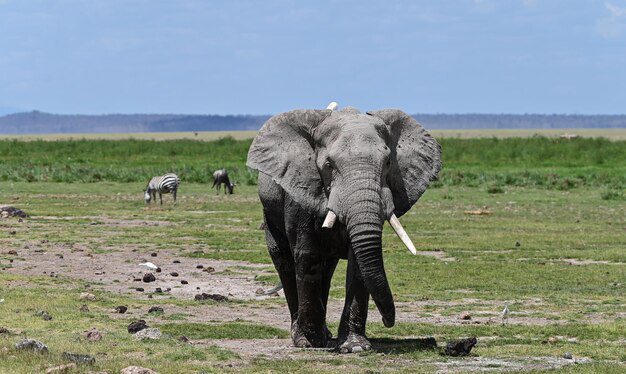
Tarangire National Park is one of Tanzania’s most underrated safari destinations.
The park is famous for:
- Massive elephant herds
- Ancient baobab trees
- Seasonal wildlife migration
- Predator sightings
- Birdwatching
The Tarangire River becomes a critical wildlife lifeline during the dry season, attracting enormous concentrations of animals.
Nyerere National Park: Africa’s Largest National Park
Nyerere National Park, formerly part of the Selous ecosystem, is now one of Africa’s most important wilderness safari destinations.
The park is famous for:
- Rufiji River boat safaris
- Wild dog populations
- Walking safaris
- Massive untouched landscapes
- Low tourist density
Travel discussions increasingly position Nyerere as the best alternative to crowded northern circuit parks.
Why Nyerere Matters?
The rise of remote luxury tourism is pushing travelers toward:
- exclusive safari camps
- low-crowd destinations
- experiential safaris
- conservation-focused tourism
Nyerere fits all of those search trends perfectly.
Ruaha National Park: Tanzania’s Predator Capital
Ruaha National Park is Tanzania’s hidden predator paradise.
The park is known for:
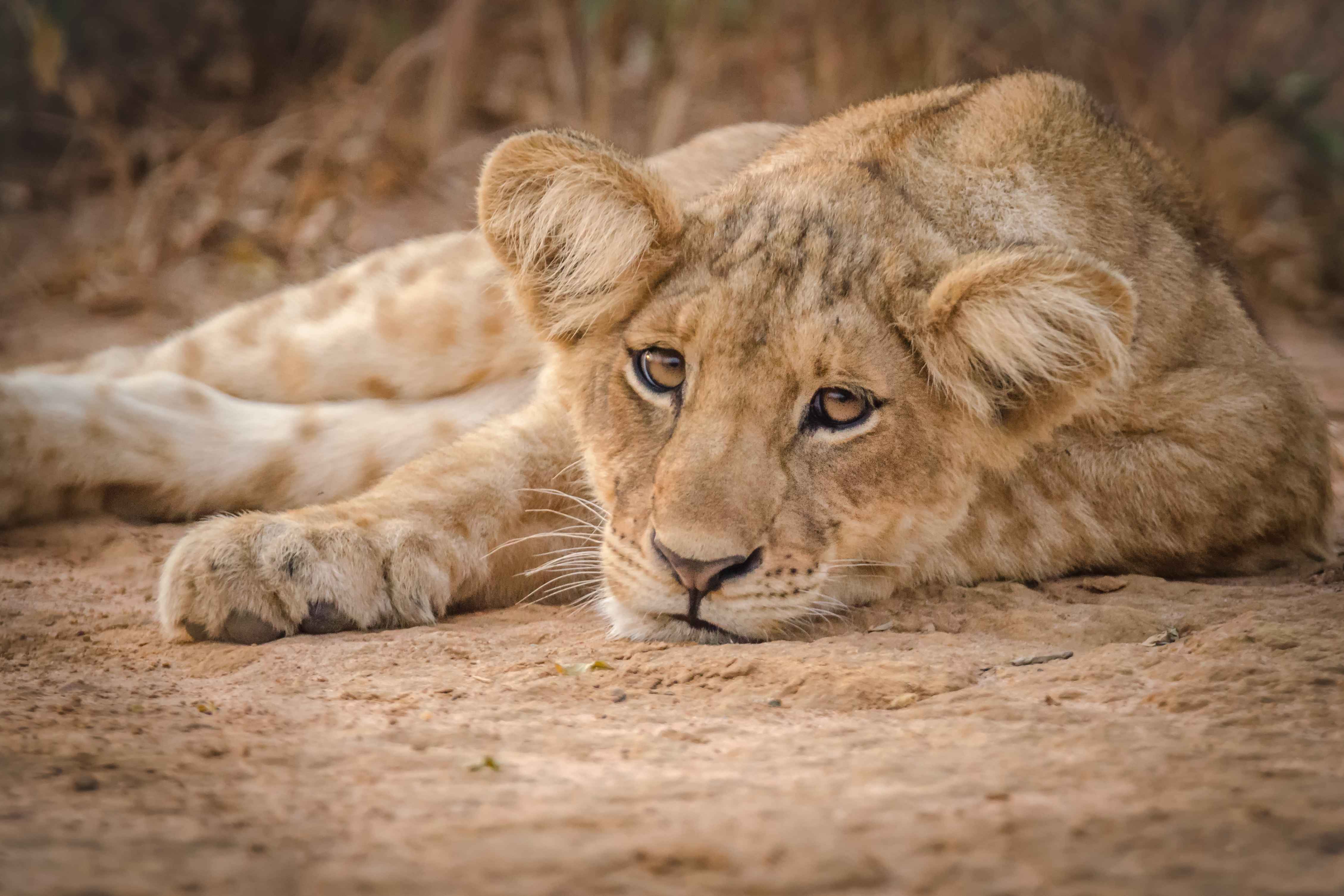
- Huge lion prides
- African wild dogs
- Leopards
- Remote wilderness
- Southern circuit safaris
Ruaha increasingly appeals to second-time safari travelers seeking raw wilderness instead of heavily trafficked safari circuits.
Mahale Mountains and Gombe Stream National Parks
These western Tanzania parks offer some of Africa’s best chimpanzee trekking experiences.
Mahale Mountains National Park
Known for:
- Luxury chimp safaris
- Lake Tanganyika beaches
- Forest trekking
- Remote eco-tourism
Gombe Stream National Park
Globally famous because of:
- Jane Goodall’s chimpanzee research
- Behavioral primate studies
- Conservation history
These parks create strong semantic relevance around:
- primate tourism
- conservation travel
- eco-luxury safaris
- rainforest ecosystems
Kilimanjaro National Park
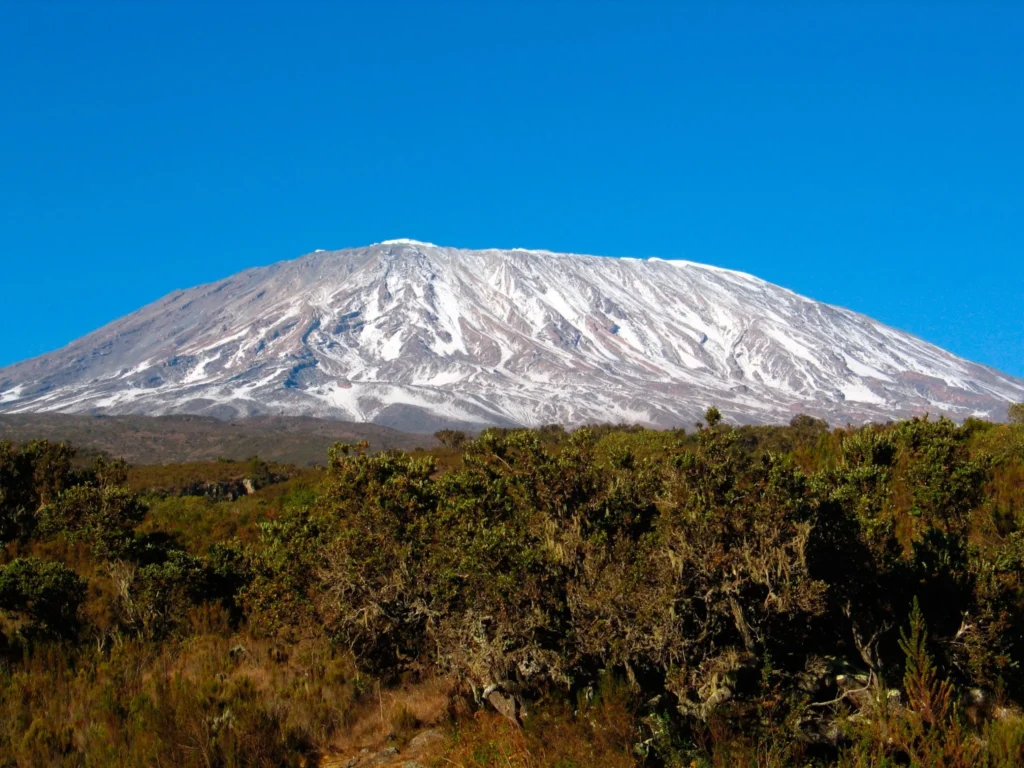
Kilimanjaro National Park protects Africa’s highest mountain.
The park attracts:
- mountaineers
- trekking expeditions
- adventure tourism
- photography travel
Arusha National Park: Tanzania’s Best Day Safari
Arusha National Park is one of Tanzania’s most accessible safari parks and ideal for:
- day trips
- walking safaris
- canoe safaris
- giraffe viewing
The park’s landscapes include Momella Lakes, rainforest ecosystems, and Mount Meru scenery.
Tanzania’s Most Important Game Reserves
Game reserves remain one of Tanzania’s most underutilized SEO opportunities.
Top Game Reserves in Tanzania
| Game Reserve | Best For | Wildlife Highlights |
|---|---|---|
| Selous Game Reserve | Wilderness safaris | Wild dogs, elephants |
| Grumeti Reserve | Luxury migration safaris | Big cats |
| Ikorongo Reserve | Migration ecosystem | Wildebeest |
| Kigosi Game Reserve | Wetland ecosystems | Rare birds |
| Rungwa Game Reserve | Predator safaris | Lions, leopards |
These reserves often provide more exclusive safari experiences than mainstream national parks.
Marine Parks in Tanzania
Tanzania’s marine parks are major tourism assets often ignored in safari content.
Best Marine Parks in Tanzania
- Mafia Island Marine Park
- Mnazi Bay Marine Park
- Tanga Marine Reserve
- Chumbe Island Coral Park
These destinations support:
- scuba diving
- whale shark tourism
- coral reef tourism
- eco-tourism
Combining safari and beach tourism is one of Tanzania’s strongest travel advantages.
Tanzania Safari Trends
1. Remote Safaris Are Growing
Travelers increasingly seek low-density safari destinations like:
- Ruaha
- Nyerere
- Katavi
- Mahale
2. Experiential Tourism Is Expanding
TANAPA officially promotes:
- walking safaris
- canoe safaris
- balloon safaris
- chimpanzee trekking
- horseback safaris
3. Conservation Tourism Is Becoming Mainstream
Travelers increasingly prefer ethical wildlife experiences tied to conservation impact.
4. Multi-Circuit Safaris Are Rising
Modern Tanzania itineraries increasingly combine:
- northern circuit safaris
- southern wilderness parks
- chimpanzee trekking
- Zanzibar beach tourism
Best Time to Visit Tanzania National Parks
| Season | Best For | Notes |
|---|---|---|
| June–October | Wildlife safaris | Peak dry season |
| January–March | Calving season | Predator action |
| April–May | Green season | Lower crowds |
| November | Shoulder season | Birdwatching |
Frequently Asked Questions
How many national parks are in Tanzania?
Tanzania currently has 21 national parks managed by TANAPA.
Which is the best national park in Tanzania?
Serengeti National Park is Tanzania’s most famous safari destination because of the Great Migration and Big Five wildlife.
What is the best time to visit Serengeti?
June to October is best for migration viewing and wildlife concentration.
Which Tanzania park is best for chimpanzees?
Mahale Mountains and Gombe Stream National Parks are Tanzania’s leading chimpanzee destinations.
Which Tanzania park is best for remote safaris?
Ruaha, Katavi, and Nyerere National Park offer the best remote wilderness experiences.
What is TANAPA?
TANAPA stands for Tanzania National Parks Authority, the government body managing Tanzania’s national parks.
Are Tanzania’s game reserves worth visiting?
Yes. Many reserves provide lower tourist density, more exclusive safari experiences, and stronger wilderness immersion than mainstream parks.
Useful External Resources
- Official TANAPA Website: Tanzania National Parks Authority (TANAPA)
- Tanzania National Parks Overview: Visit Tanzania National Parks Guide
- Tanzania Tourism Information: Tanzania Official Tourism Portal
- Mount Kilimanjaro Information: Kilimanjaro National Park
Final Thoughts
Tanzania remains Africa’s most complete safari ecosystem because it combines migration safaris, Big Five wildlife, mountain expeditions, primate trekking, marine conservation, and remote wilderness travel into one unmatched tourism network.