Uganda vs Rwanda vs Kenya Birding Safaris
Compare Uganda, Rwanda, and Kenya birding safaris by species diversity, endemics, bird photography, costs, and itinerary style. Choose the best East African birdwatching destination for your trip.
Table of Contents
Introduction
If you are comparing Uganda vs Rwanda vs Kenya birding safaris, the best destination depends on what you want most from the trip. Uganda is strongest for overall species richness and forest birding, Rwanda is excellent for compact high-end birding with Albertine Rift endemics, and Kenya is the classic choice for open savannah birding, raptors, and wetland species. Uganda is often described as having more than 1,000 bird species, Rwanda has about 705 recorded species, and Kenya has about 1,164 confirmed species in current species lists.
For travelers searching for the best birding safari in East Africa, the real question is not which country has birds. It is the country that gives you the right birding experience for your route, budget, time, and travel style. That is where the comparison becomes useful.
Quick verdict
Uganda is best for species diversity and forest birding.
Rwanda is best for compact, premium birding and Albertine Rift endemics.
Kenya is best for classic safari birding, raptors, wetlands, and easy combinations with wildlife viewing.
Uganda vs Rwanda vs Kenya Birding Safari Comparison
| Destination | Best For | Birding Strength | Best Wildlife Pairing | Ideal Traveler |
|---|---|---|---|---|
| Uganda Birding Safari | Best overall bird diversity | Forest birds, wetlands, Albertine Rift species, shoebill, primate habitats | Gorilla trekking, chimpanzee trekking, wildlife safaris | Serious birders, photographers, and first-time East Africa visitors |
| Rwanda Birding Safari | Best for compact premium birding | Albertine Rift endemics, rainforest birding, Nyungwe species | Gorilla trekking, luxury short safaris | Travelers wanting shorter, high-quality itineraries |
| Kenya Birding Safari | Best classic safari birding | Raptors, savannah birds, waterbirds, flamingos, open landscapes | Big Five, Masai Mara, Amboseli, wildlife photography | Birders who want birds + traditional safari |
Uganda birding safaris: best for species diversity and forest birding
Uganda is usually the strongest choice for travelers who want a serious Uganda birding safari. The country’s bird list is commonly placed at more than 1,000 species, which gives it one of the richest avifaunas in Africa. Bwindi alone is known for about 350 bird species, Queen Elizabeth National Park has over 600 bird species, Murchison Falls has about 450 known bird species, and Mabamba is a famous wetland site with over 300 bird species and the shoebill as the headline target.
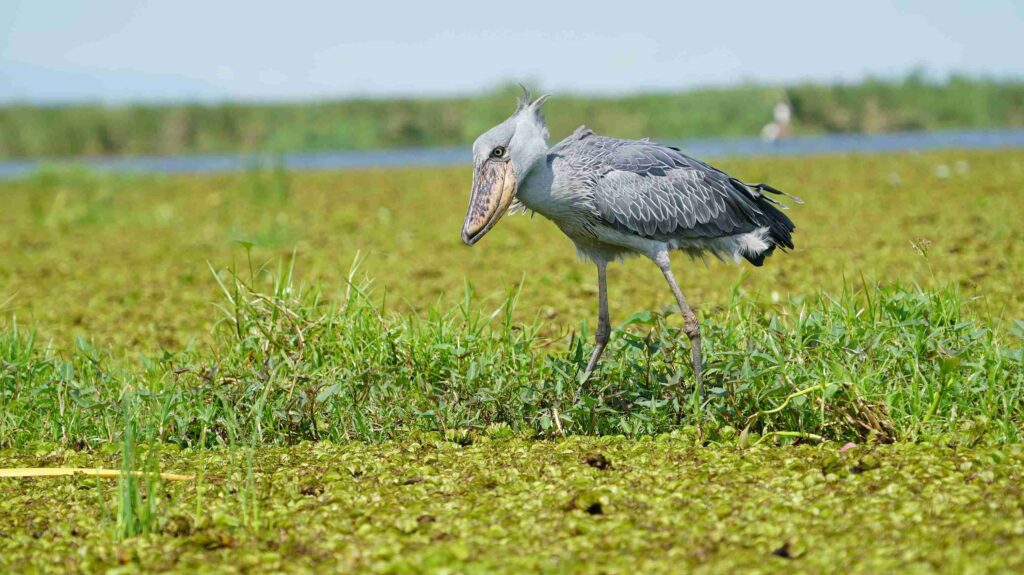
That makes Uganda especially strong for birders who want variety in one itinerary. You can move from lowland wetlands to mid-altitude forests, from savannah to river systems, and from Albertine Rift forest species to classic waterbirds. For many travelers, this is the biggest practical advantage of a birdwatching holiday in Uganda.
Uganda is also the easiest of the three countries to combine with gorilla trekking or chimpanzee trekking, which is why a birding and gorilla trekking safari. Bwindi is one of Africa’s most important gorilla destinations, and the same region supports serious forest birding. That makes Uganda a natural fit for travelers who do not want birding to be the only part of the trip.
Best Uganda birding destinations
Bwindi is ideal for forest species and Albertine Rift endemics. Mabamba is the place for shoebill-focused birding. Queen Elizabeth is excellent for a mixed wildlife and birding circuit. Murchison Falls works well for travelers who want a broader safari with good birding on the side.
Who should choose Uganda?
Choose Uganda if you want:
- the highest overall variety,
- forest and wetland birding,
- a stronger chance of combining birds with gorillas,
- and a trip that feels rich and layered rather than narrowly focused.
Rwanda birding safaris: best for compact luxury and Albertine Rift endemics
Rwanda is the most compact option for a Rwanda birding safari. Rwanda is listed at about 705 bird species overall, while Nyungwe Forest alone has more than 300 bird species and around 30 Albertine Rift endemics. Another current species summary places Nyungwe at 280 recorded species, with 26 endemic to the Albertine Rift.
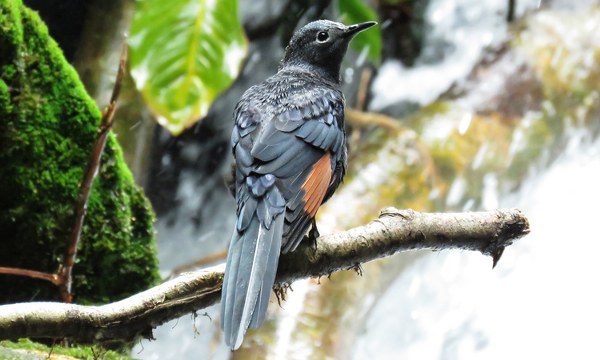
This is why Rwanda performs so well for travelers searching for where to see Albertine Rift endemics. The country is not about chasing the longest species list. It is about concentrated, high-value birding in a short timeframe, especially in forest habitats.
Rwanda also works very well for a private birding safari East Africa style itinerary because the country is compact, easy to route, and simple to combine with gorilla trekking. Volcanoes National Park, Rwanda’s gorilla trekking park, is also recorded with 178 bird species, including at least 13 species and 16 subspecies endemic to the Virunga and Rwenzori Mountains. That makes Rwanda especially attractive for travelers who want birding plus gorillas without a long overland route.
Best Rwanda birding destinations
Nyungwe is the main birding destination for forest and endemic species.
Volcanoes work well when birding is combined with gorilla trekking.
Eastern Rwanda and the wetlands are better for general birding and a broader wildlife route.
Who should choose Rwanda?
Choose Rwanda if you want:
- a shorter, cleaner itinerary,
- a premium or luxury safari style,
- Albertine Rift endemics,
- and birding that combines easily with gorillas.
Kenya birding safaris: best for classic safari birding and raptors
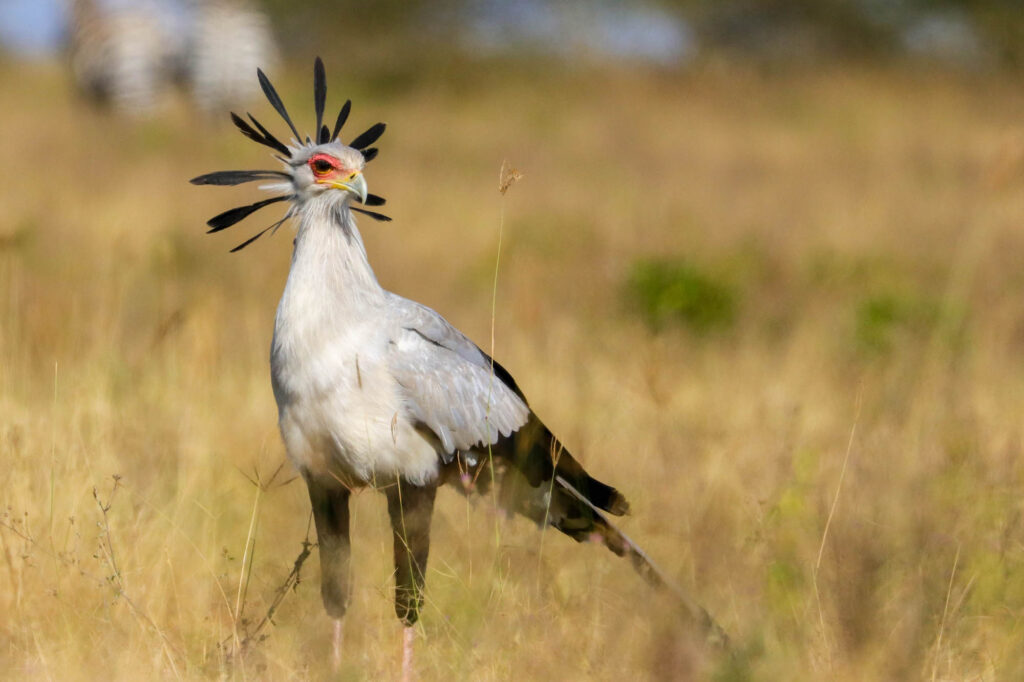
Kenya is a powerhouse for Kenya birding safari searches because it offers the classic East African safari landscape combined with a very strong bird list. Kenya’s current species list is around 1,164 confirmed species, making it one of the richest birding countries in the region.
Best Kenya birding destinations
Kenya is especially appealing for birdwatchers who like open country, wetlands, raptors, and dramatic safari scenery.
Amboseli alone is recorded with about 400 bird species, including water birds and 47 raptor species.
Mwea National Reserve has over 200 recorded bird species and is known for its waterbirds and the endangered Hinde’s babbler.
Kisumu Impala Sanctuary has over 115 recorded bird species, showing how productive Kenya can be even in smaller urban or lakeshore birding sites.
For many travelers, Kenya is the most familiar choice for a bird photography safari, East Africa-style trip, because the scenery is wide, the light is often excellent, and birding can be paired with classic wildlife viewing on the same route. Kenya is not just about birds. It is about birds inside a broader safari framework. Uganda Vs kenya Safari comparions
Who should choose Kenya?
Choose Kenya if you want:
- classic safari birding,
- raptors and waterbirds,
- strong photography potential,
- and a trip that can also satisfy general wildlife expectations.
Uganda vs Rwanda vs Kenya for birding
If you are deciding between the three, use this simple framework.
| If your priority is… | Choose |
|---|---|
| The highest bird species variety | Uganda |
| Best birding + gorilla trekking combination | Uganda |
| Albertine Rift endemic birds | Rwanda / Uganda |
| Short luxury birding safari | Rwanda |
| Bird photography with wildlife scenery | Kenya |
| Big Five + birdwatching safari | Kenya |
| Best all-round East Africa birding experience | Uganda |
Can you combine birding with gorilla trekking?
Yes, and this is one of the strongest commercial angles for searchers who want a birding and gorilla trekking safari.
Uganda is the best all-around option for this because Bwindi is a major gorilla destination and also a productive birding forest. Rwanda can also work well because Volcanoes National Park pairs gorillas with a smaller but useful bird list and a very compact itinerary.
Best time for East Africa birding safaris
A birding safari can work year-round, but the best season depends on your goal. If your focus is easier travel and clear forest or savannah conditions, dry season planning is usually preferred.
If your priority is lush scenery, fewer crowds, and active wetland and forest birding, wetter months can still be rewarding. Since birding is often about habitat and behavior as much as raw numbers, the best time is the one that matches your target species and route. This is an itinerary decision more than a single calendar answer.
Frequently asked questions
Which country is best for birding in East Africa?
Uganda is usually the best overall for species diversity and forest birding, Rwanda is best for compact premium birding and Albertine Rift endemics, and Kenya is best for classic safari birding and raptors.
Which country is best for bird photography?
Kenya is often the easiest to sell for bird photography because of its open landscapes and strong wildlife scenery, while Uganda is excellent for forest species, and Rwanda is strong for compact premium trips. This is a practical inference from the destinations and habitats each country offers.
Can I do a private birding safari in East Africa?
Yes. Private birding safaris are a strong fit in all three countries, especially if you want flexible timing, custom routing, and lodge choices matched to birding sites. Uganda and Rwanda are especially good for pairing birding with gorillas.
Is Uganda or Rwanda better for endemic birds?
Rwanda is often stronger for concentrated Albertine Rift endemics in a shorter itinerary, while Uganda offers broader diversity across multiple habitats.
Is Kenya worth it if I mainly want birds?
Yes. Kenya is very strong for birding, especially if you want raptors, wetlands, savannah birds, and an easy combination with classic safari wildlife.
Final verdict
If your goal is the best birding safari in East Africa, Uganda is the best all-around choice.
If your goal is a short premium trip with endemic birds, Rwanda is the smart choice.
If your goal is classic safari birding with excellent wildlife scenery, Kenya is the strongest fit.
Ready to take the next step of your birding safari? Get a Free Quote now!