Best Time to Visit Uganda for Safari: Month-by-Month Guide
Table of Contents
Introduction
The best time to visit Uganda for a safari is generally during the drier periods of June to August and December to February, especially for easier wildlife viewing and road travel. However, Uganda is a year-round destination, and the wetter months can be excellent for chimpanzee tracking, birding, lush landscapes and potentially quieter safari experiences.
There is no single “perfect” month for every Uganda safari.
The best time depends on what you want to see and do.
If your priority is:
- Gorilla trekking – several months can work well.
- Chimpanzee tracking – year-round, with some advantages during wetter periods.
- Savannah wildlife – generally drier periods are easier for game viewing.
- Birdwatching – Uganda works throughout the year, with seasonal advantages.
- Photography – different seasons create different landscapes and wildlife opportunities.
- Lower visitor numbers – wetter periods may offer a quieter experience.
Uganda Wildlife Authority describes the country as a year-round destination for wildlife experiences, while noting that climate and road or forest conditions should be considered when planning.
For most first-time travelers combining gorillas, chimpanzees and classic wildlife, the best approach is to choose your travel dates around your highest-priority experience rather than simply looking for a “best month.”
When Is the Best Time to Visit Uganda for Safari?
The best overall time for a Uganda safari is June to August or December to February, when generally drier conditions can make wildlife viewing and travel between parks easier.
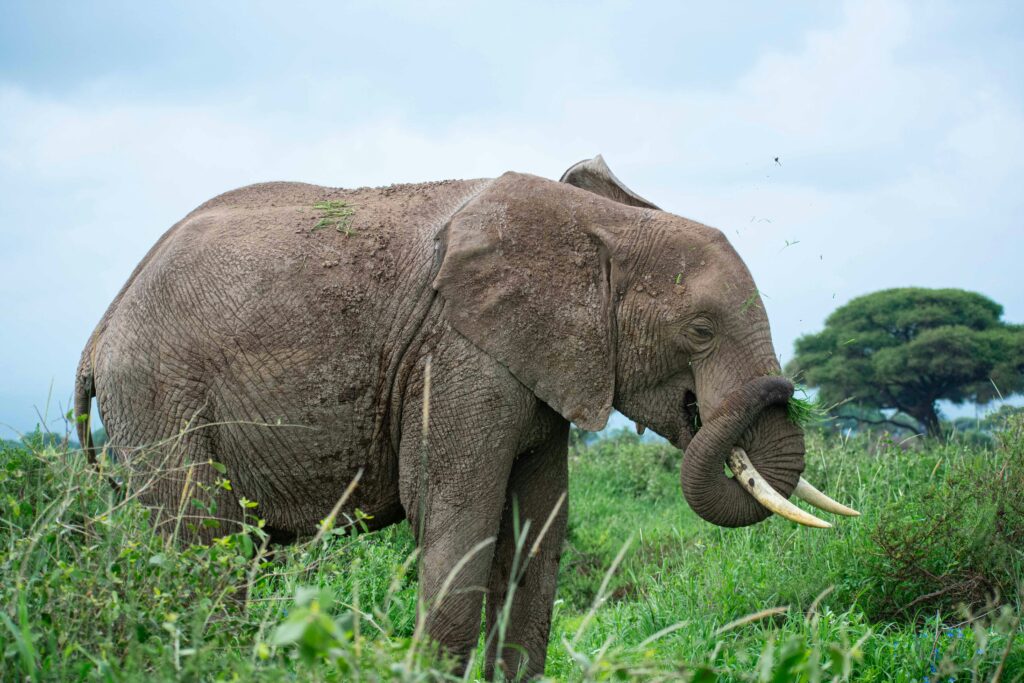
These periods are particularly attractive for:
- Game drives
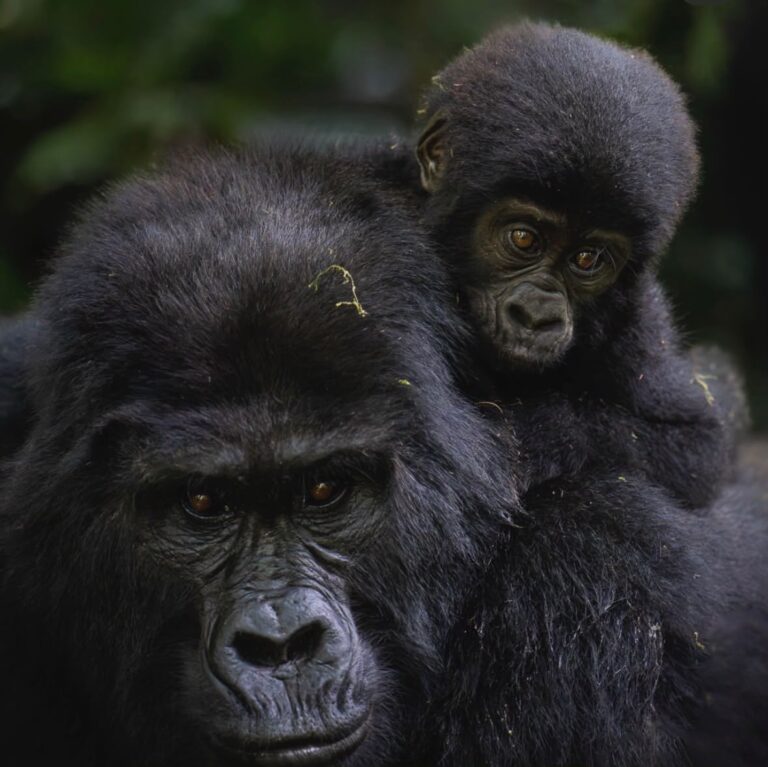
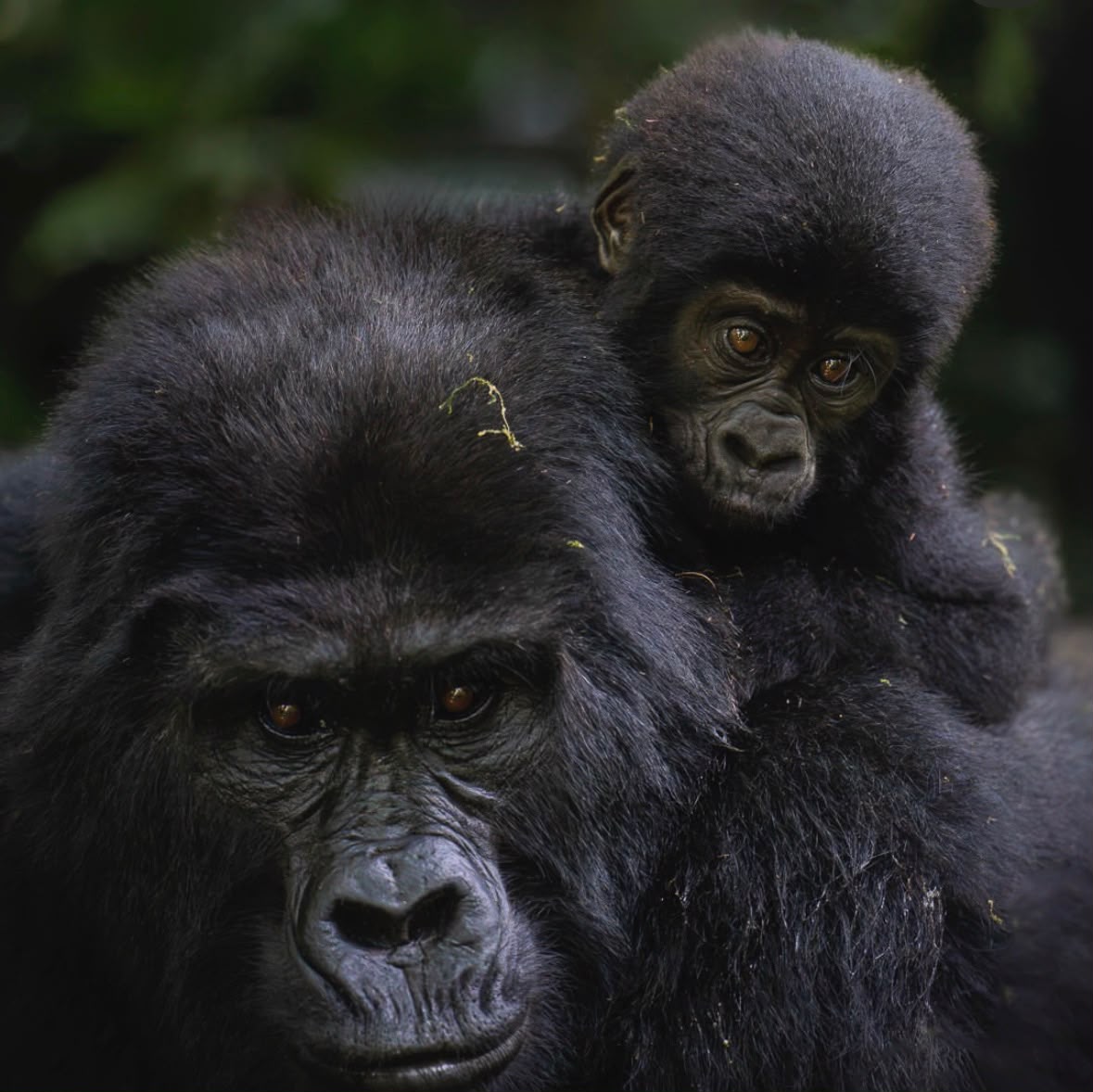
- Gorilla trekking
- Chimpanzee tracking
- Wildlife photography
- Hiking
- General sightseeing
UWA identifies the dry season for primate tracking and savannah wildlife viewing as June to August and December to February.
However, “dry season” does not mean that Uganda becomes completely rain-free.
Uganda has varied climates because of its altitude, geography and ecosystems.
Rain can occur even during generally drier periods, particularly in forest and mountainous areas.
Is Uganda a Year-Round Safari Destination?
Yes. Uganda can be visited throughout the year, but different months offer different advantages and challenges.
The country has two broad seasonal patterns:
Drier periods
December–February
and
June–August
Wetter periods
Generally:
March–May
and
September–November
These are useful planning categories rather than rigid weather rules.
Uganda’s climate varies significantly between regions.
For example, the rainforest environment around Bwindi can behave differently from the northern savannah landscapes around Murchison Falls.
That is why a month-by-month itinerary should always be interpreted alongside your destination.
Uganda Safari Seasons at a Glance
| Season | Months | Best for | Main consideration |
|---|---|---|---|
| Dry | June–August | Wildlife, trekking, photography | Popular period |
| Dry | December–February | Wildlife, trekking | Hotter conditions possible |
| Wet | March–May | Chimpanzees, birding, lush scenery | Rain and muddy roads |
| Wet/shoulder | September–November | Birding, landscapes, quieter travel | Variable rainfall |
| Year-round | All months | Gorilla trekking | Weather varies by region |
UWA specifically states that primate tracking and wildlife viewing in savannah reserves are best during the dry periods of June–August and December–February.
Best Time for Gorilla Trekking in Uganda
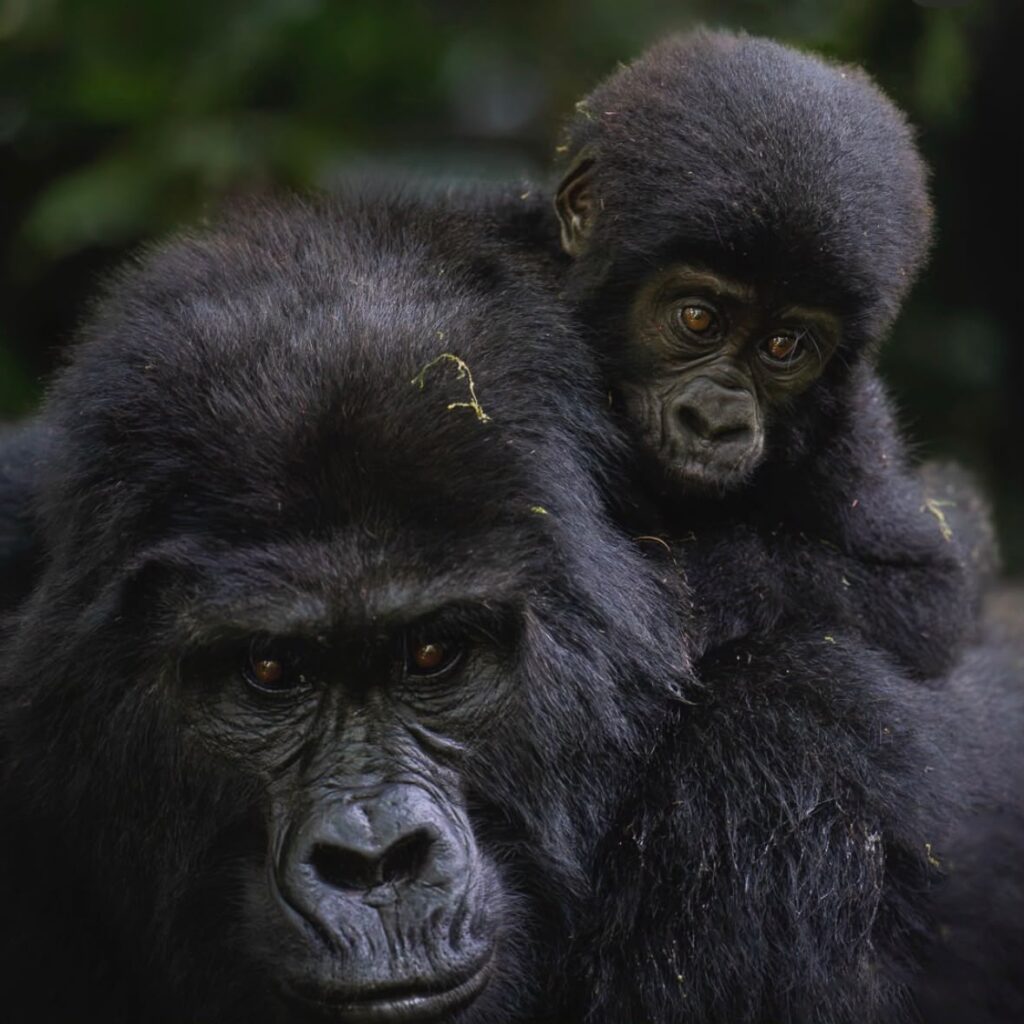
Gorilla trekking can be done throughout the year, but many travelers prefer the relatively drier months because forest trails can be easier to navigate.
Uganda’s mountain gorilla trekking takes place in:
- Bwindi Impenetrable National Park
- Mgahinga Gorilla National Park
The rainforest environment means rain is always possible.
Even during a generally dry period, you should pack waterproof clothing and appropriate trekking footwear.
Best months for easier trekking
Consider:
June–August
and
December–February
These periods can provide more favorable overall conditions for travelers who prefer less rainfall.
What about rainy months?
They can still be rewarding.
Rain can make trails muddy and slippery, but the forest becomes exceptionally lush.
For photographers, the atmosphere can be spectacular.
The key point is:
There is no month in which gorilla trekking simply stops because it is the rainy season.
UWA’s gorilla and chimpanzee guidelines provide operating schedules for tracking activities rather than restricting normal tracking to a single season.
Best Time for Chimpanzee Tracking in Uganda
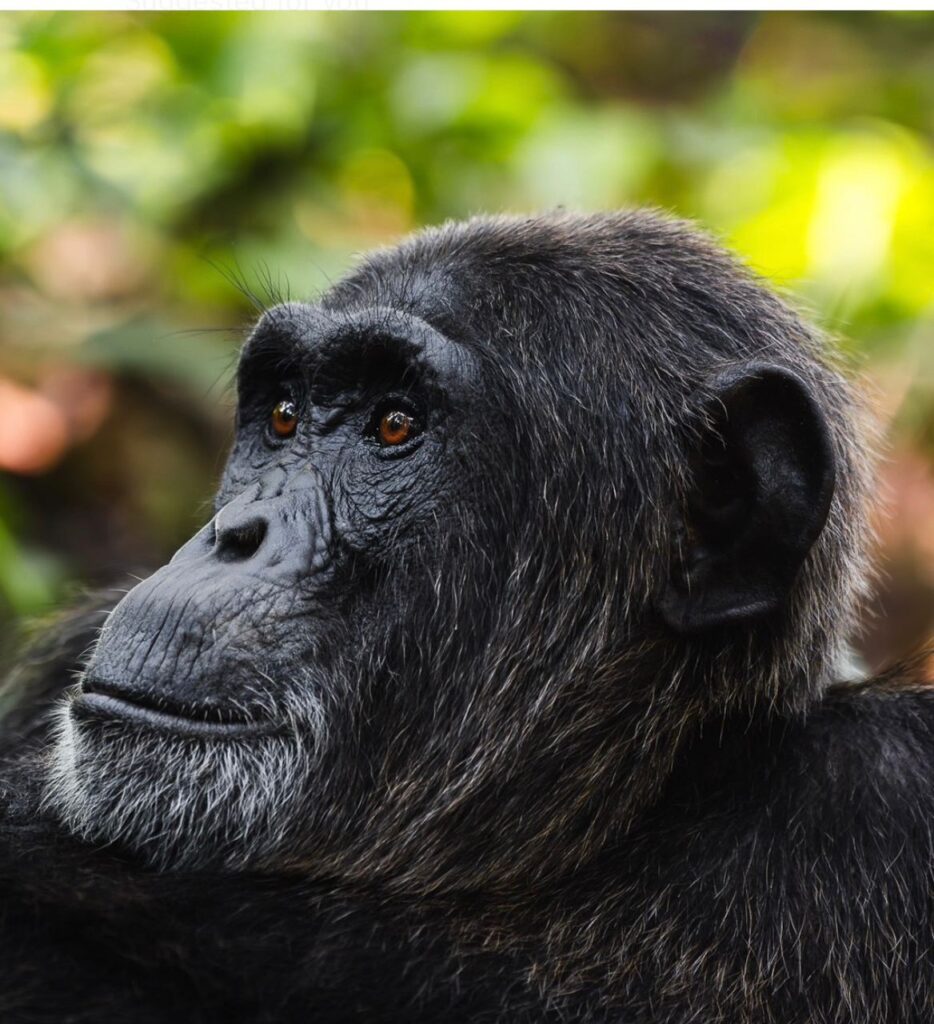
Chimpanzee tracking is available year-round, and UWA notes that the wetter season can actually be favorable for tracking because chimpanzees may remain closer to food sources.
This is one of the most important nuances when planning a Uganda safari.
The conventional assumption is:
Dry season = always better.
But chimpanzee tracking is more complicated.
UWA states that chimpanzee tracking and habituation experiences take place throughout the year and notes that the best time to track chimpanzees can be during the rainy season, despite muddy conditions. During drier periods, chimpanzees may move deeper into forests in search of food.
This means:
Wildlife safari → dry season advantage
Chimpanzee tracking → wet-season advantages can exist
That distinction makes Uganda particularly interesting for primate-focused travelers.
Best Time for a Big Game Safari in Uganda
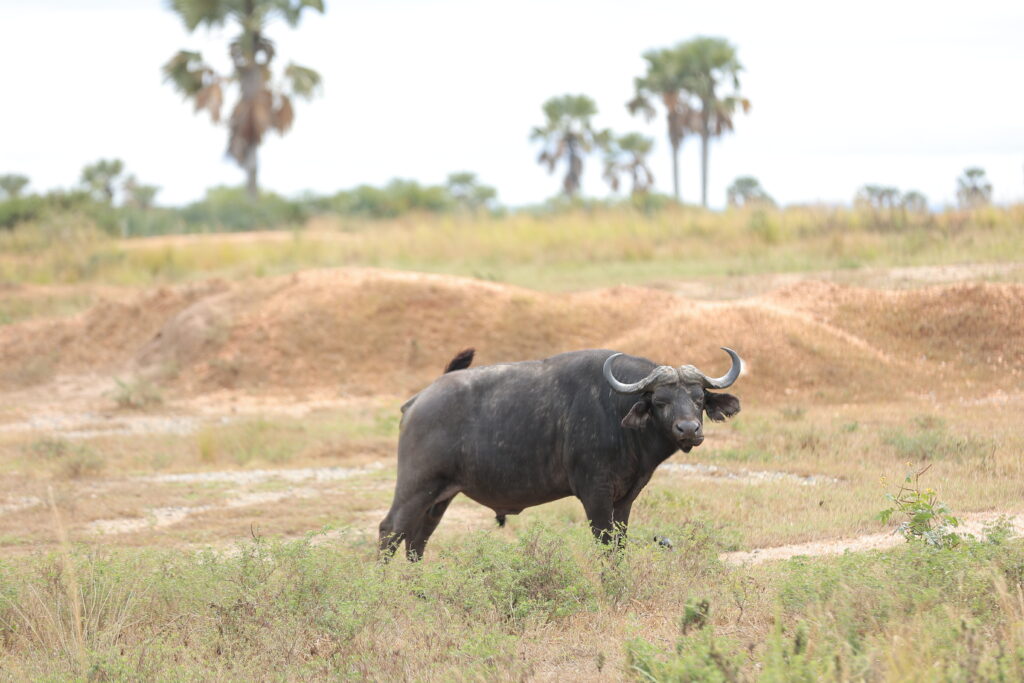
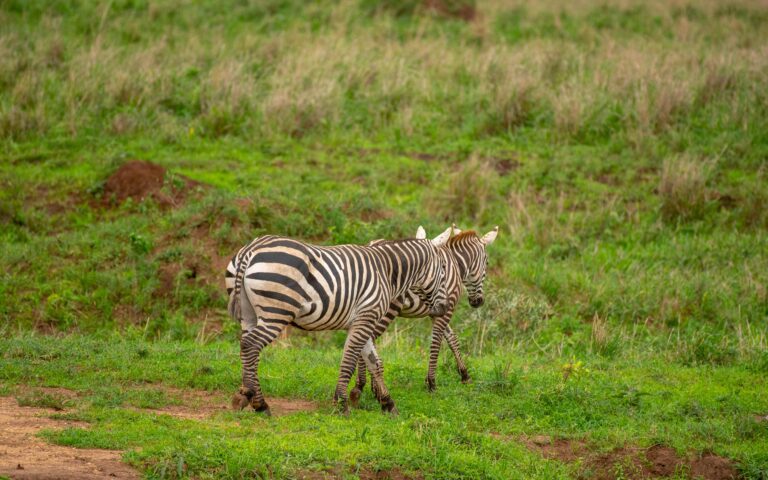
June to August and December to February are generally strong periods for savannah wildlife viewing because drier conditions can make roads easier and wildlife easier to locate around remaining water sources.
Popular wildlife destinations include:
- Murchison Falls National Park
- Queen Elizabeth National Park
- Kidepo Valley National Park
- Lake Mburo National Park
During drier conditions, vegetation may be less dense and animals can become easier to locate.
This does not mean wildlife disappears during rainy months.
Uganda remains a wildlife destination throughout the year.
Instead, the experience changes.
Best Time to Visit Murchison Falls National Park
The drier periods of December to February and June to August are generally favorable for a Murchison Falls safari.
Murchison Falls is particularly attractive for:
- Game drives
- Nile boat cruises
- Giraffes
- Elephants
- Lions
- Buffaloes
- Birdwatching
- Scenic landscapes
A dry-season itinerary can make some roads easier to navigate.
However, wetter periods can produce dramatically green landscapes and excellent photographic conditions.
Best Time to Visit Queen Elizabeth National Park
Queen Elizabeth National Park can be visited throughout the year, with drier months generally favored for traditional game viewing.
Queen Elizabeth offers:
- Game drives
- Kazinga Channel cruises
- Hippos
- Elephants
- Buffaloes
- Lions
- Chimpanzee tracking at Kyambura
UWA confirms that chimpanzee tracking and habituation activities occur year-round, while noting that wetter conditions can be favorable for chimpanzee tracking.
Therefore, Queen Elizabeth can work particularly well for travelers who want:
Wildlife + chimpanzees
in one itinerary.
Best Time to Visit Kibale Forest National Park
Kibale can be visited year-round, but chimpanzee tracking has some advantages during wetter periods because food availability can influence chimpanzee movement.
Kibale is Uganda’s flagship destination for chimpanzee tracking.
UWA identifies chimpanzee tracking as a year-round activity and notes that wetter conditions can be favorable despite muddy trails.
For a traveler whose primary objective is chimpanzees, you should therefore not automatically reject the rainy months.
Instead, consider:
What matters more to you?
Easier trails
Choose a drier period.
Potentially favorable chimpanzee conditions
Consider wetter periods.
Best Time to Visit Bwindi for Gorilla Trekking
Bwindi can be visited year-round, but June to August and December to February are popular choices for travelers who prefer relatively drier trekking conditions.
Bwindi is a rainforest.
That means rain is part of the environment rather than an unusual event.
During wetter periods:
- Trails can become muddy.
- Slopes can become slippery.
- Rain can interrupt activities.
- Forest vegetation becomes lush.
During drier periods:
- Trails may be easier to navigate.
- Walking can be more comfortable.
- Road transfers may be easier.
But weather remains unpredictable.
Therefore, even if you travel during the “dry season,” pack a waterproof jacket.
Best Time to Visit Kidepo Valley National Park
December to February and June to August are generally useful periods for travelers seeking drier conditions in Kidepo, although the park offers a distinctive safari experience throughout the year.
Kidepo is very different from Uganda’s southwestern safari circuit.
Its remote location means you should allow enough time for the journey.
If you are traveling specifically to Kidepo, avoid designing an itinerary that gives the destination only one rushed night.
A longer stay allows you to enjoy:
- Game drives
- Landscapes
- Wildlife
- Cultural experiences
- Remote wilderness
Best Time to Visit Lake Mburo National Park
Lake Mburo is a flexible year-round safari destination and can work particularly well during a short Uganda itinerary.
Its location makes it useful for travelers who:
- Have limited time
- Want a short safari
- Are traveling between Kampala/Entebbe and western Uganda
- Want a taste of savannah wildlife
It can also be combined with longer western Uganda itineraries.
Uganda Safari in January
January is one of Uganda’s generally drier months and can be a strong choice for wildlife viewing, gorilla trekking and chimpanzee tracking.
January is good for:
- Savannah game drives
- Gorilla trekking
- Chimpanzee tracking
- Photography
- General sightseeing
UWA identifies December to February as one of the main dry periods for primate tracking and wildlife viewing.
Watch for:
- Hotter conditions in some areas
- Variable rainfall in forests
- Higher demand around popular travel periods
Uganda Safari in February
February is generally one of the stronger months for dry-season wildlife viewing and can work well for a combined gorilla and safari itinerary.
It is particularly useful for travelers wanting:
Bwindi + Queen Elizabeth + Kibale
The conditions can support:
- Game drives
- Trekking
- Chimpanzee tracking
- Photography
However, rainforest weather remains unpredictable.
Uganda Safari in March
March marks a transition toward wetter conditions in many parts of Uganda, but it remains a viable month for safari and primate experiences.
Potential advantages include:
- Greener scenery
- Fewer visitors in some locations
- Good photographic conditions
- Chimpanzee activity
Potential challenges include:
- Rain
- Muddy trails
- More difficult road conditions
For a traveler who does not mind changing weather, March can offer a rewarding safari.
Uganda Safari in April
April is generally one of the wetter periods, but it can be attractive for travelers who value lush scenery, lower visitor pressure and certain primate experiences over consistently dry conditions.
April can be particularly interesting for:
- Forest photography
- Chimpanzee experiences
- Birding
- Green landscapes
The trade-off is obvious:
More rain = potentially more difficult roads and trekking conditions.
If you choose April, build flexibility into your itinerary.
Uganda Safari in May
May can still be wet, but it is an interesting month for birding, lush scenery and travelers looking for a quieter safari experience.
UWA notes that Uganda’s wet conditions can affect roads and forest trails, particularly for birders.
However, the same rain supports the vegetation that makes Uganda’s forests so productive.
May can therefore suit travelers who prioritize:
Nature + photography + birding + primates
rather than guaranteed dry conditions.
Uganda Safari in June
June marks the beginning of one of Uganda’s favorable dry periods and is an excellent month to consider for a first safari.
Potential advantages:
- Generally easier road travel
- Good game viewing
- Favorable trekking conditions
- Good photography
- Strong overall safari conditions
UWA identifies June to August as a dry period favorable for primate tracking and wildlife viewing.
Uganda Safari in July
July is one of the strongest months for a classic Uganda safari, particularly for travelers who prioritize dry conditions and wildlife viewing.
It can be particularly attractive for:
- Gorilla trekking
- Chimpanzee tracking
- Game drives
- Birding
- Photography
However, July can also be a popular travel period.
Book important activities and accommodation well ahead of time if your dates are fixed.
Uganda Safari in August
August continues the generally favorable June–August dry period and is another strong choice for wildlife and primate-focused safaris.
For a first-time visitor, August can work particularly well for:
Kibale → Queen Elizabeth → Bwindi
The combination gives you:
Chimpanzees + wildlife + gorillas
within one itinerary.
Uganda Safari in September
September is a transitional month that can still offer excellent safari conditions while rainfall becomes more variable in some regions.
Potential advantages:
- Green landscapes
- Wildlife
- Birding
- Potentially fewer travelers than peak periods
As always, regional weather varies.
Uganda Safari in October
October can bring increased rainfall, but it remains a viable month for gorilla trekking, chimpanzee tracking and wildlife safaris.
The advantage is that Uganda’s landscapes become increasingly green.
The trade-off is:
- Muddy roads
- Wetter trekking trails
- More unpredictable weather
For photographers, these conditions can produce excellent forest atmosphere.
Uganda Safari in November
November is generally a wetter month, but it can be attractive for travelers looking for greener landscapes, birding and a quieter safari atmosphere.
It is not a month to avoid automatically.
Instead, travelers should plan around the weather.
For example:
Gorilla trekking + flexible accommodation + private vehicle
can still create an excellent trip.
Uganda Safari in December
December is one of Uganda’s main drier periods and is a strong month for combining wildlife, gorillas and chimpanzees.
UWA identifies December to February as a dry period favorable for primate tracking and wildlife viewing.
December can therefore work well for:
- Family safaris
- Christmas holidays
- Gorilla trekking
- Chimpanzee tracking
- Game drives
- Luxury safaris
Demand can increase around the festive period, so early planning is advisable.
Best Months for Gorilla Trekking vs Safari
| Activity | Strong months to consider |
|---|---|
| Gorilla trekking | June–August, December–February |
| Chimpanzee tracking | Year-round; wetter periods can be favorable |
| Savannah wildlife | June–August, December–February |
| Birdwatching | Year-round; late May–September favorable for many birding conditions |
| Photography | Year-round; depends on desired landscapes |
| Hiking | Drier periods generally easier |
| Luxury safari | Year-round |
| Cultural experiences | Year-round |
UWA specifically notes that birdwatching is possible year-round and identifies late May through September as a generally favorable period, while December and January can also be good in some regions.
Best Time for Uganda Gorilla Trekking and Wildlife Together
If you want both gorillas and classic wildlife on the same trip, June to August and December to February are strong choices because they generally offer favorable conditions for both trekking and savannah game viewing.
A classic itinerary would be:
Kibale
Chimpanzees
↓
Queen Elizabeth
Game drives + Kazinga Channel
↓
Bwindi
Gorilla trekking
This route combines three of Uganda’s strongest wildlife experiences.
Best Time for a Uganda Safari From Kigali
A Uganda safari from Kigali can be planned throughout the year, but the drier periods are particularly convenient for travelers combining Rwanda with southwestern Uganda.
A popular structure is:
Kigali → Bwindi → Queen Elizabeth → Kibale
This allows travelers already visiting Rwanda to add:
- Uganda gorillas
- Chimpanzees
- Savannah wildlife
- Forest experiences
The best travel month should therefore be determined by the complete Rwanda-Uganda itinerary rather than Uganda alone.
Best Time for a Luxury Uganda Safari
Luxury travelers can visit Uganda throughout the year, but the dry periods can simplify road travel and outdoor activities.
Luxury travel is not only about weather.
It is also about:
- Private vehicles
- Lodge quality
- Efficient routing
- Flexible schedules
- Experienced guides
- Reduced unnecessary transfers
If you are paying for a premium private safari, a well-designed itinerary can be more important than choosing the supposedly “perfect” month.
Is the Rainy Season Bad for a Uganda Safari?
No. The rainy season is not necessarily a bad time to visit Uganda; it simply requires different expectations and better preparation.
Advantages can include:
- Lush landscapes
- Fewer visitors in some places
- Excellent photography
- Bird activity
- Potential chimpanzee advantages
- Potentially attractive travel rates
Challenges include:
- Mud
- Rain during activities
- Difficult road conditions
- Wet trekking trails
UWA explicitly notes that chimpanzee tracking can be particularly favorable during rainy periods despite the mud.
Is the Dry Season Always Better?
No. The dry season is generally easier for traditional game viewing, but it is not automatically better for every Uganda travel experience.
For example:
Savannah wildlife
Dry season often has an advantage.
Chimpanzee tracking
Wetter conditions can sometimes be advantageous.
Birding
Different seasons bring different opportunities.
Photography
Wet-season greenery can be spectacular.
Trekking
Many travelers prefer drier trails.
Therefore, the “best time” should always be connected to your specific travel objective.
Best Time to Visit Uganda for Birdwatching
Uganda is a year-round birding destination, with late May through September generally favorable for many birdwatching conditions and resident species available throughout the year.
UWA notes that Uganda’s birding interest includes many resident birds and that the climate is an important consideration. It identifies late May through September as a generally favorable period because of reduced rainfall and food availability.
Important birding destinations include:
- Bwindi
- Mgahinga
- Murchison Falls
- Semuliki
UWA identifies Semuliki as particularly important for Guinea-Congo regional bird species and Bwindi and Mgahinga as important sites for Albertine Rift endemics.
Best Time to Visit Uganda for Photography
The best month for photography depends on whether you prefer dry savannah wildlife scenes or lush green rainforest landscapes.
Dry-season photography
Best suited to:
- Wildlife
- Open landscapes
- Easier game viewing
- Clearer road conditions
Wet-season photography
Best suited to:
- Green landscapes
- Forest atmosphere
- Dramatic skies
- Rainforest photography
- Birding
For gorilla photography, the rainforest environment means you should be prepared for changing light and weather regardless of the month.
Uganda Safari Weather: What Should You Expect?
Expect warm conditions in much of the country, with cooler temperatures at higher elevations and regular rainfall in rainforest regions.
Uganda is close to the equator, but altitude significantly influences local conditions.
This means:
Bwindi ≠ Murchison Falls
and
Kibale ≠ Kidepo
Weather should therefore be checked for the specific destinations on your itinerary rather than relying on a single national forecast.
What Should You Pack for Uganda During the Dry Season?
Pack lightweight safari clothing, comfortable walking shoes, sun protection and a waterproof layer even during the dry season.
Recommended items include:
- Lightweight trousers
- Long-sleeved shirts
- Comfortable walking shoes
- Hat
- Sunglasses
- Sunscreen
- Insect repellent
- Waterproof jacket
- Small daypack
- Binoculars
- Camera equipment
- Reusable water bottle
For gorilla trekking, sturdy footwear is particularly important.
What Should You Pack During the Rainy Season?
Add stronger rain protection and footwear suitable for muddy trails.
Consider:
- Waterproof jacket
- Waterproof trousers
- Sturdy hiking shoes
- Extra socks
- Waterproof backpack cover
- Dry bags
- Quick-drying clothing
- Walking poles if appropriate
Rainforest trekking can become muddy.
Being properly equipped makes a significant difference to comfort.
Uganda Safari Month-by-Month Summary
| Month | Conditions | Best suited to |
|---|---|---|
| January | Generally dry | Wildlife + primates |
| February | Generally dry | Wildlife + trekking |
| March | Wetter transition | Primates + photography |
| April | Wet | Green landscapes + chimpanzees |
| May | Wet/transition | Birding + photography |
| June | Drier | Wildlife + trekking |
| July | Drier | Wildlife + gorillas |
| August | Drier | Wildlife + gorillas |
| September | Transition | Wildlife + birding |
| October | Wetter transition | Photography + primates |
| November | Wetter | Birding + green landscapes |
| December | Generally drier | Wildlife + trekking |
This table should be treated as a planning guide rather than a guarantee of weather, because Uganda’s conditions vary by region and altitude.
Best Time to Visit Uganda: Quick Answers
What is the best month to visit Uganda?
July and August are among the strongest choices for generally drier conditions, while January and February are also favorable. The right month depends on your itinerary.
What is the best time for gorilla trekking in Uganda?
June–August and December–February are popular choices for relatively drier trekking conditions, but gorilla trekking is available year-round.
What is the best time for chimpanzee trekking?
Chimpanzee tracking is available year-round, and UWA notes that wetter periods can be favorable because chimpanzees may remain closer to food sources.
What is the rainy season in Uganda?
The main wetter periods are generally March–May and September–November, although rainfall varies considerably by region.
Is Uganda worth visiting in April?
Yes. April can be excellent for green scenery, photography, birding and certain primate experiences, although rain and muddy roads should be expected.
Is Uganda worth visiting in July?
Yes. July is a strong month for classic wildlife viewing and trekking because it falls within one of Uganda’s generally drier periods.
Is December a good time for Uganda safari?
Yes. December begins one of Uganda’s generally drier periods and can work well for wildlife and primate-focused itineraries.
Can you go gorilla trekking in the rainy season?
Yes. Gorilla trekking is available year-round, although wet conditions can make forest trails more challenging.
Is Uganda safari better in dry or wet season?
The dry season is generally easier for traditional wildlife viewing, while the wet season can offer lush scenery, birding opportunities and some advantages for chimpanzee tracking.
What is the cheapest month for Uganda safari?
There is no universal cheapest month because prices vary by operator, accommodation, permits, availability and travel dates. Ask for a complete quotation rather than assuming one month is always cheapest.
So, When Should You Visit Uganda?
For the best balance of wildlife viewing, gorilla trekking and easier travel conditions, consider June–August or December–February.
However, if your interests are more specific:
For gorillas
June–August or December–February
For chimpanzees
Year-round; wetter periods can be particularly interesting
For Big Five-style wildlife
June–August or December–February
For birding
Year-round, with late May–September particularly favorable for many conditions
For lush landscapes
Wetter months
For a quieter experience
Consider shoulder/wetter periods
For a first Uganda safari
June–August or December–February are straightforward choices
But remember:
The best time to visit Uganda is ultimately the time that matches the experience you want most.
Recommended 7-Day Safari by Season
Dry-season itinerary
Kibale → Queen Elizabeth → Bwindi
Best for:
Chimpanzees + wildlife + gorillas
Wet-season itinerary
Kibale → Queen Elizabeth → Bwindi
Still excellent for:
Chimpanzees + forest + gorillas + lush landscapes
The route does not necessarily need to change.
What changes is the experience and preparation.
That is why Uganda works so well as a year-round safari destination.
Planning Your Uganda Safari With Kambu Tours
Kambu Tours can build a private Uganda itinerary around the experiences that matter most to you, including gorilla trekking, chimpanzee tracking, wildlife safaris and customized multi-day journeys.
For first-time visitors, a route such as:
Kibale → Queen Elizabeth → Bwindi
provides a strong introduction to Uganda’s primates, wildlife and landscapes.
If you are coming from Rwanda, a Kigali → Bwindi → Queen Elizabeth → Kibale route can also be considered.
Explore Kambu Tours’ Uganda safari packages and choose an itinerary based on your travel dates, interests and preferred accommodation level.
Inquire with us to start customizing your Uganda Safari now with a free quote and consultation.