Largest Mammals in the World: The Biggest Animals on Earth
Discover the largest mammals in the world, from the blue whale and African elephant to hippos, giraffes and other giant mammals, with size comparisons and safari facts.
Table of Contents
Introduction
The blue whale is the largest mammal and the largest animal ever known to have lived on Earth, reaching around 33 metres in length and weighing more than 150 tonnes in some individuals. On land, the African savanna elephant is the largest living land mammal, while the hippopotamus, giraffe, rhinoceros and other large African mammals occupy the next ranks among the world’s most impressive terrestrial animals.
But size is not the only reason these mammals are remarkable.
Some are built for life in the ocean, some for open savannahs, and others for forests, wetlands and rivers. Africa is particularly important for travelers interested in large mammals because Uganda offers opportunities to see elephants, hippos, buffaloes, giraffes and other wildlife in protected natural habitats.
If seeing Africa’s biggest mammals is part of your safari plan, understanding where these animals live and how they compare can help you choose the right destination.
What is the largest mammal in the world?
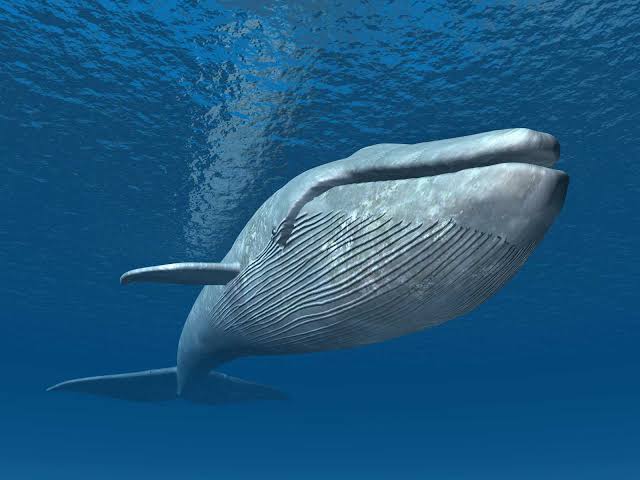
The blue whale (Balaenoptera musculus) is the largest mammal in the world and the largest animal ever recorded.
According to NOAA Fisheries, blue whales can reach approximately 110 feet, or 33 metres, and weigh up to 330,000 pounds, or about 150 tonnes. They feed primarily on tiny crustaceans called krill despite their enormous body size.
That makes the blue whale substantially larger than any land mammal.
Blue whales are marine mammals and occur throughout the world’s oceans except the Arctic Ocean. Their enormous size is possible partly because the buoyancy of seawater supports their bodies.
Largest mammals compared
| Mammal | Approximate maximum size | Habitat | Why it is notable |
|---|---|---|---|
| Blue whale | Up to 33 m, 150+ tonnes | Ocean | Largest animal ever known |
| African savanna elephant | Around 4 m at shoulder, several tonnes | Savannah and woodland | Largest living land animal |
| Hippopotamus | Around 1.5 to 1.7 tonnes commonly, larger individuals possible | Rivers, lakes and wetlands | One of Africa’s heaviest mammals |
| Giraffe | Around 5–6 m tall | African savannah | Tallest living mammal |
| White rhinoceros | Around 2–2.5 tonnes | Grassland and savannah | One of the largest terrestrial mammals |
| Gorilla | Around 100–200 kg for large males | Tropical forests | Largest living primate |
Pro-Tip
The exact maximum varies between individuals, sex, subspecies and measurement method, so these figures should be treated as approximate rather than a strict ranking.
What is the largest land mammal?
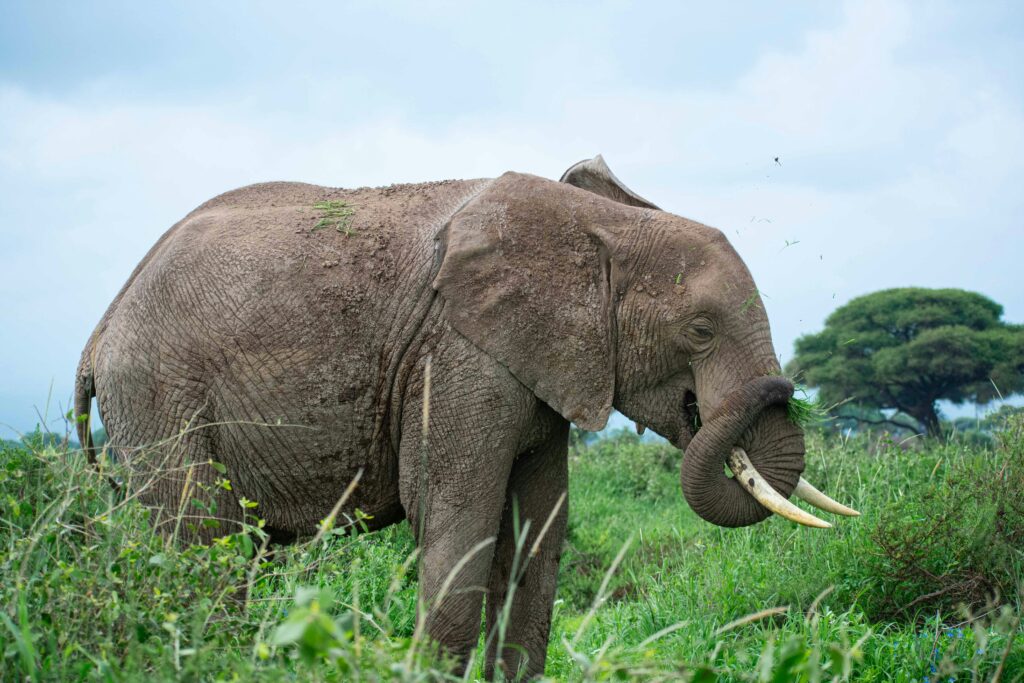
The African savanna elephant (Loxodonta africana) is the largest living land mammal.
WWF identifies African elephants as the largest animals walking on Earth, with adult savanna elephants capable of reaching around six tonnes. African savanna elephants are larger than African forest elephants and are adapted to a range of open and wooded habitats.
Their size is only part of what makes elephants extraordinary.
An elephant’s trunk is used for feeding, drinking, communication and manipulating objects. Their large ears also help release excess body heat. Elephant societies are highly structured, with females and calves generally forming family groups while adult males often live separately or in smaller bachelor groups.
For safari travelers, elephants are among the most rewarding large mammals to observe because they can be encountered in a variety of situations: feeding, bathing, crossing roads, interacting with other elephants or gathering around water.
Where can you see elephants in Uganda?
Elephants occur in several of Uganda’s protected areas, including Queen Elizabeth National Park, Murchison Falls National Park and Kidepo Valley National Park.
Uganda Wildlife Authority’s elephant information identifies these parks as important areas for elephant monitoring and conservation.
Queen Elizabeth National Park is particularly relevant for travelers combining large mammals with other wildlife experiences. The park supports more than 95 mammal species, including elephants, hippos and buffaloes.
For travelers planning a broader trip, see Kambu Tours’ Uganda safari packages for routes combining wildlife, gorilla trekking and chimpanzee tracking.
What is the largest mammal in Africa?
The African savanna elephant is the largest mammal in Africa that lives on land.
There is an important distinction here. Africa’s largest mammal overall would depend on including marine mammals found in African waters. But when people ask about the largest African safari animal, the African savanna elephant is the clear answer.
Adult savanna elephants can weigh several tonnes and have a shoulder height of around 3–4 metres in large individuals. WWF lists an approximate weight of six tonnes and shoulder height of up to 11 feet for African elephants.
Africa has two recognized species of elephant:
- African savanna elephant
- African forest elephant
The savanna elephant is considerably larger. Forest elephants are adapted to dense rainforest environments and have smaller bodies, more rounded ears and straighter tusks.
What are the biggest mammals in Africa?
Africa’s largest mammals include elephants, rhinoceroses, hippopotamuses, giraffes and several large primates and herbivores.
| African mammal | Main size distinction | Where travelers may encounter them |
|---|---|---|
| African savanna elephant | Largest land mammal | Uganda, Kenya, Tanzania, Botswana and other African countries |
| White rhinoceros | One of the heaviest land mammals | Uganda and Southern Africa |
| Hippopotamus | One of Africa’s heaviest mammals | Rivers, lakes and wetlands |
| Giraffe | Tallest mammal | Savannah and woodland |
| Gorilla | Largest living primate | Central and East African forests |
| Common eland | One of Africa’s largest antelopes | Several savannah ecosystems |
| Cape buffalo | Large, powerful bovine | Savannah and woodland |
For safari planning, however, “largest” does not necessarily mean “easiest to see.” Habitat, season, water availability, vegetation and the particular park all affect wildlife encounters.
What is the biggest mammal you can see on an African safari?
For a traditional land-based African safari, the African elephant is the largest mammal most travelers are likely to encounter.
Uganda is particularly interesting because large mammals can be combined with primate experiences within the same trip.
For example, a western Uganda circuit can combine:
Chimpanzees → Savannah wildlife → Mountain gorillas
Kambu Tours’ 7-day Uganda Primate and Wildlife Safari follows this general concept, combining Kibale Forest, Queen Elizabeth National Park and Bwindi Impenetrable National Park. The itinerary includes chimpanzee tracking, game drives, a Kazinga Channel boat safari, and gorilla trekking.
This is one reason Uganda can work well for travelers who do not want a safari consisting only of conventional game drives.
Are hippos one of the largest mammals in Africa?
Yes. The hippopotamus (Hippopotamus amphibius) is one of Africa’s heaviest mammals and is closely associated with rivers, lakes and wetlands.
Hippos spend much of their day in or near water, emerging to feed primarily on land. Their massive bodies, large jaws and semi-aquatic lifestyle make them one of the most distinctive animals on an African safari.
Uganda Wildlife Authority notes that hippos occur in many Ugandan national parks containing rivers or lakes, including Queen Elizabeth National Park. The Kazinga Channel is particularly well known for its concentration of hippos.
The latest State of Wildlife Resources in Uganda report also identifies Queen Elizabeth and Murchison Falls among the country’s major hippo areas.
Where is the best place to see hippos in Uganda?
Queen Elizabeth National Park’s Kazinga Channel is one of Uganda’s best-known locations for hippo viewing.
A boat safari gives travelers an alternative perspective because hippos can be observed in the water while elephants, buffaloes, crocodiles and numerous bird species may also be visible around the channel.
Kambu Tours includes a Kazinga Channel boat safari in its 5-day Uganda Gorilla and Wildlife Safari, alongside game drives and gorilla trekking in Bwindi.
Is the giraffe the largest mammal?
No. The giraffe is the tallest living mammal, but it is not the heaviest.
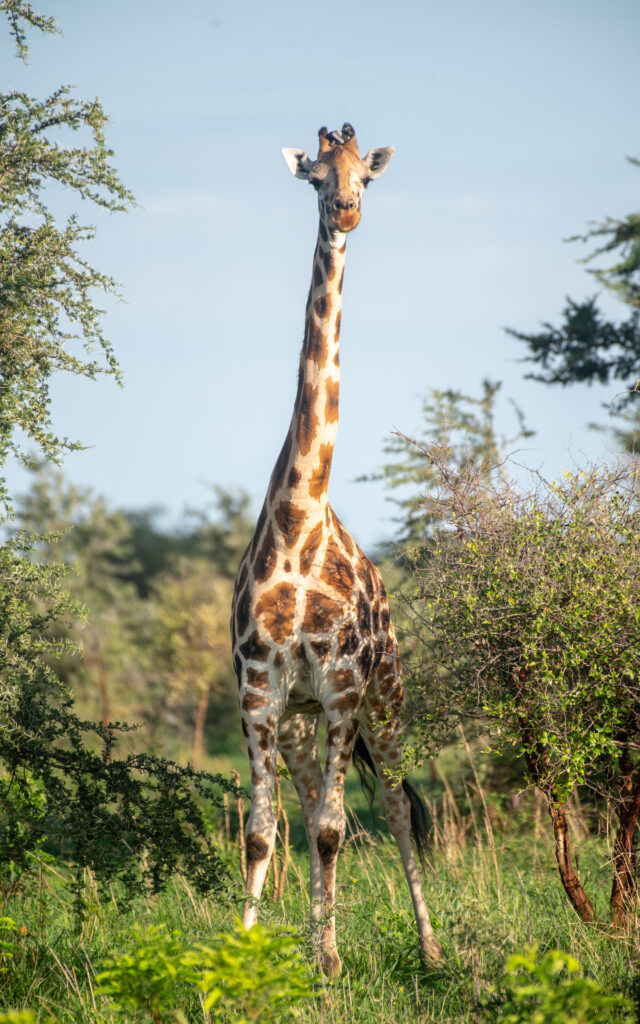
Giraffes can reach approximately 5–6 metres in height, with much of that height coming from their extremely long necks and legs.
This is an important distinction when discussing the world’s largest mammals:
- Blue whale: largest animal by overall mass
- African savanna elephant: largest living land animal by mass
- Giraffe: tallest living mammal
- Blue whale: among the longest animals ever recorded
The giraffe’s unusual anatomy allows it to browse vegetation high above many other herbivores.
Is the rhinoceros one of the largest land mammals?
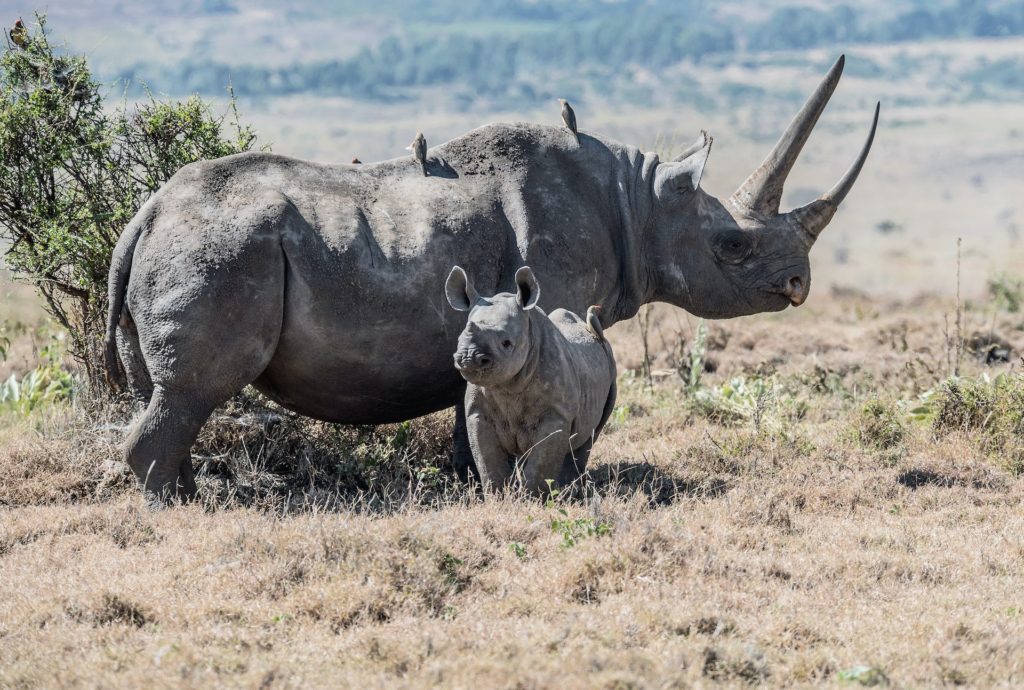
Yes. Rhinoceroses are among the largest terrestrial mammals, with white rhinos generally larger than black rhinos.
White rhinoceroses can weigh more than two tonnes, although individual body size varies.
They are also important to African conservation because rhino populations have been heavily affected by historical hunting and poaching.
For travelers visiting Uganda, rhinos can be incorporated into a wider wildlife itinerary through Ziwa Rhino Sanctuary, depending on the current operating arrangements and itinerary.
This makes it possible to experience another of Africa’s iconic large mammals before continuing toward Uganda’s national parks.
What is the largest primate?
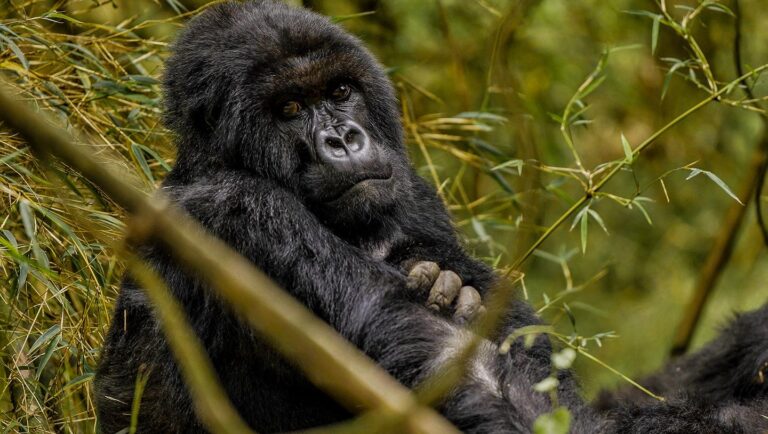
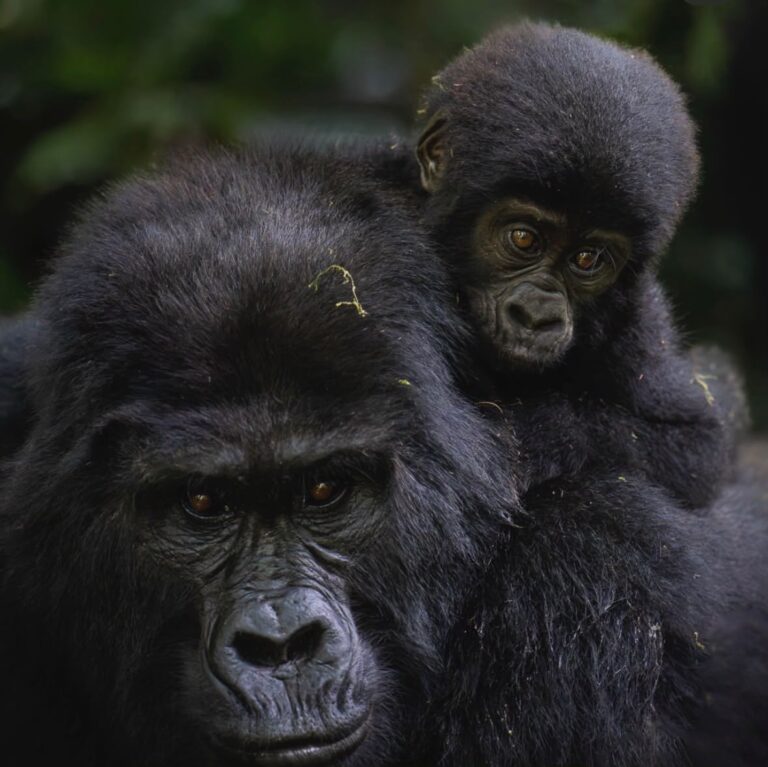
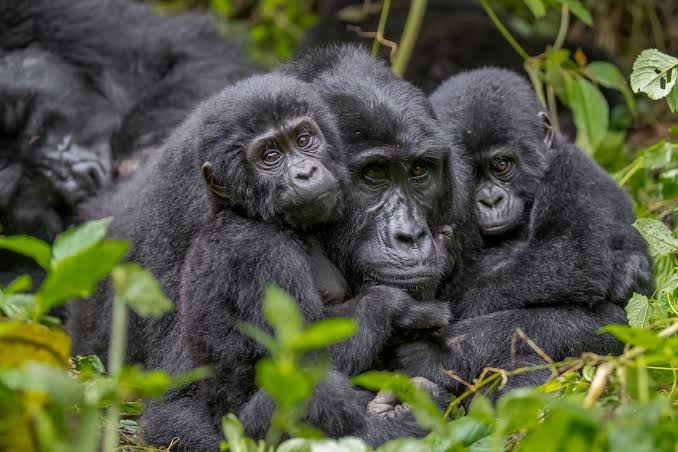
The eastern gorilla is the largest living primate, and the mountain gorilla is one of its best-known populations.
This is particularly relevant to Uganda because Bwindi Impenetrable National Park is one of the world’s most important mountain gorilla destinations.
Unlike elephants and hippos, gorillas live in forest environments and require a completely different type of wildlife experience.
Rather than searching for them from a safari vehicle, travelers trek through rainforest with trained guides and trackers.
Kambu Tours specializes in private gorilla trekking in Uganda and Rwanda, with Bwindi-focused itineraries ranging from short gorilla trips to longer wildlife combinations.
For travelers interested in spending more time observing gorillas, Kambu Tours also offers a 4-day gorilla habituation safari in Bwindi, focused on a longer forest experience under researcher and ranger guidance.
Which African safari destination is best for seeing large mammals?
There is no single destination that is best for every traveler because different parks specialize in different wildlife experiences.
The better question is:
Which large mammals do you want to see, and what other experiences do you want to combine with them?
| Destination | Large-mammal highlights | Other major experiences |
|---|---|---|
| Uganda | Elephants, hippos, buffaloes, rhinos, giraffes | Gorillas, chimpanzees, boat safaris |
| Kenya | Elephants, buffaloes, rhinos, giraffes, hippos | Masai Mara, Great Migration |
| Tanzania | Elephants, hippos, giraffes, buffaloes, rhinos | Serengeti, Ngorongoro |
| Botswana | Elephants, hippos, buffaloes | Okavango Delta, mokoro safaris |
| Southern Africa | Elephants, rhinos, buffaloes, hippos | Big Five, private reserves |
| Rwanda | Elephants, buffaloes, hippos and other wildlife | Gorillas and primates |
For someone whose priority is gorillas plus large African mammals, Uganda offers a particularly useful combination.
A single itinerary can connect forest primates with savannah wildlife and aquatic ecosystems.
Why are large mammals important to African ecosystems?
Large mammals are not simply impressive animals for tourists to photograph. They influence the ecosystems in which they live.
Elephants, for example, can modify vegetation, disperse seeds and create changes in habitats that affect other species. WWF describes elephants as ecosystem engineers because their activities can help shape the environments shared by many other animals.
Hippos also influence aquatic and terrestrial ecosystems through their movement between water and land.
Protecting large mammals therefore involves more than protecting individual animals. Conservation also requires maintaining habitats, wildlife corridors, water sources and coexistence between wildlife and surrounding communities.
Uganda Wildlife Authority‘s elephant conservation work, for example, includes monitoring elephant movements and addressing human-elephant conflict around protected areas.
What are the 10 largest mammals in the world?
A precise global ranking is difficult because maximum recorded sizes vary and some species have incomplete data. However, among the largest living mammals are:
- Blue whale
- Fin whale
- Sperm whale
- Bowhead whale
- North Atlantic right whale
- Humpback whale
- Gray whale
- African savanna elephant
- Hippopotamus
- Rhinoceroses
The most important distinction is that whales dominate the largest-mammal category, while elephants dominate among living land mammals.
The blue whale’s scale is especially extraordinary. NOAA reports individuals reaching approximately 33 metres and up to 330,000 pounds.
Why seeing the world’s largest mammals is different on safari
Seeing a large mammal in a wildlife documentary is very different from encountering one in its natural environment.
On safari, size becomes easier to understand.
An elephant crossing a road can make a safari vehicle look surprisingly small. A group of hippos emerging from the Kazinga Channel reveals just how much of their body remains hidden beneath the water. A giraffe standing above the savannah demonstrates why height and weight are two very different measures of size.
And in Bwindi, the experience changes again.
The world’s largest primates live in a dense forest where visibility is limited and every movement matters.
That variety is what makes an African safari more than a search for a checklist of animals.
Frequently Asked Questions About the Largest Mammals
What is the largest mammal ever recorded?
The blue whale is the largest mammal and largest known animal ever to have lived. NOAA reports blue whales reaching up to approximately 33 metres and 330,000 pounds.
What is the largest land mammal?
The African savanna elephant is the largest living land mammal. WWF identifies it as the largest species of elephant and the biggest terrestrial animal on Earth.
What is the largest mammal in Africa?
The African savanna elephant is the largest land mammal in Africa.
What is the tallest mammal?
The giraffe is the tallest living mammal, reaching approximately 5–6 metres in height.
Are hippos bigger than elephants?
No. African elephants are substantially heavier than hippos. Hippos are nevertheless among Africa’s heaviest land mammals.
Where can I see elephants in Uganda?
Elephants can be seen in several Ugandan protected areas, including Queen Elizabeth, Murchison Falls and Kidepo Valley National Parks.
Where can I see hippos in Uganda?
Queen Elizabeth National Park is particularly well known for hippos, especially around the Kazinga Channel.
Can I see large mammals and gorillas on the same Uganda safari?
Yes. A private Uganda itinerary can combine gorilla trekking in Bwindi with wildlife viewing in Queen Elizabeth, Murchison Falls or other parks. Kambu Tours currently offers safari combinations specifically designed around gorillas, chimpanzees and savannah wildlife.
Plan a Uganda Safari to See Africa’s Largest Mammals
The world’s largest mammals are spread across very different environments, but Uganda gives travelers an unusual opportunity to experience several major wildlife categories in one country.
You can watch elephants and hippos in Queen Elizabeth National Park, track chimpanzees in Kibale Forest, search for wildlife on savannah game drives and then trek through Bwindi’s rainforest in search of mountain gorillas.
Kambu Tours designs private Uganda safari itineraries around the wildlife you actually want to see, rather than forcing every traveler into the same route.
For a shorter trip, a 5-day Uganda Gorilla and Wildlife Safari combines Bwindi and Queen Elizabeth. For a broader wildlife experience, the 7-day Uganda Primate and Wildlife Safari adds Kibale chimpanzee tracking.
If your priority is elephants, hippos, gorillas, chimpanzees or a combination of Uganda’s largest and most iconic wildlife, tell Kambu Tours your travel dates, preferred accommodation level and the animals you most want to encounter.
Explore Kambu Tours Uganda Safari Packages and request a private itinerary designed around your wildlife interests.